
Understanding Emerald Quality, A Buyer's Guide to the Four Cs
Lisbet Newton • April 11, 2026
A Buyer's Guide to the Four C's
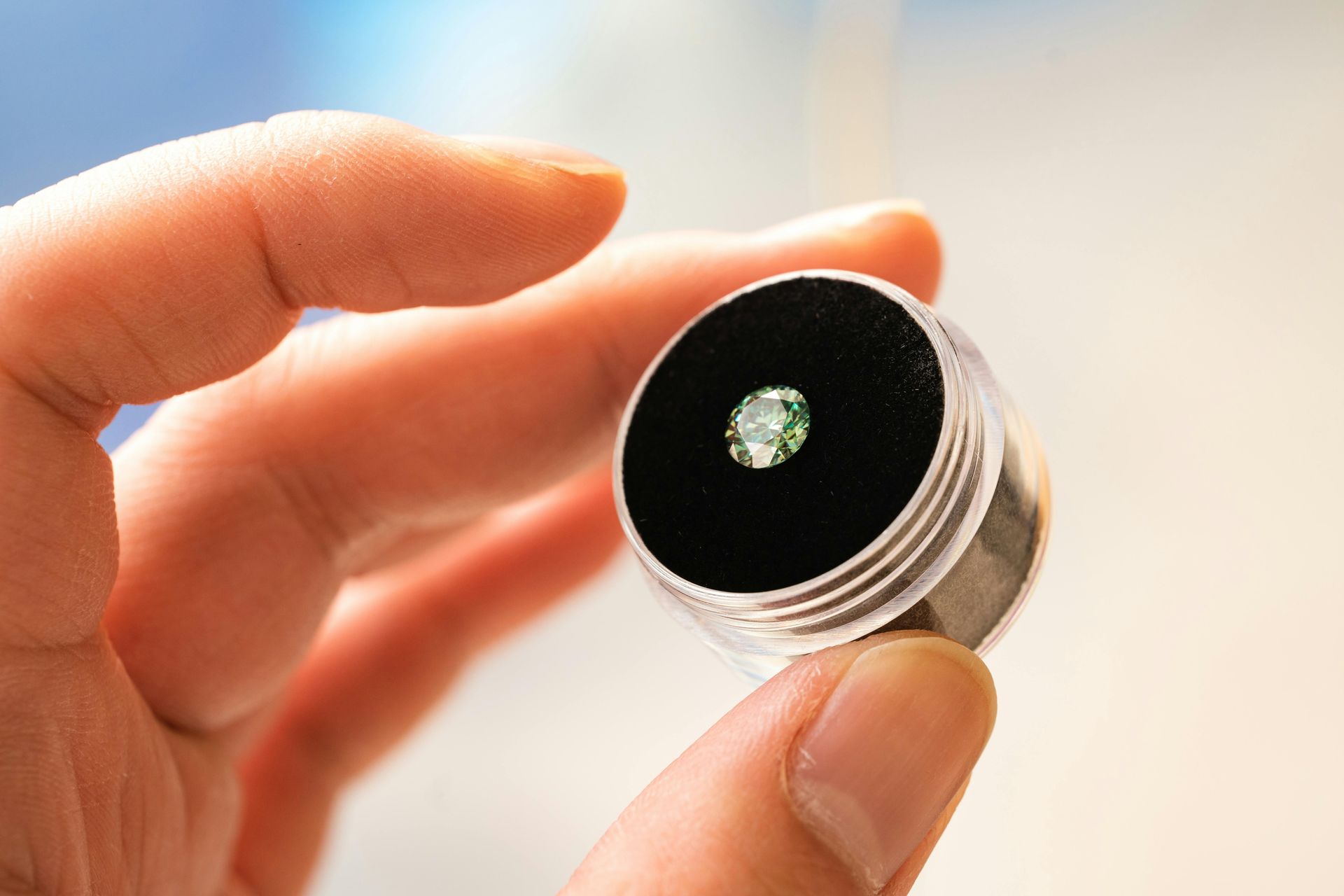
Buying an emerald is one of the most personal and significant purchases a gem lover can make. Unlike diamonds, where standardized grading systems have made comparison relatively straightforward, emeralds require a more nuanced eye. The traditional Four Cs — color, clarity, cut, and carat weight — apply to emeralds just as they do to other precious stones, but the way each factor plays out is distinctly different. Here is what you need to know before you buy.
Color: The Single Most Important Factor
In the emerald world, color is king. Gemologists evaluate color across three dimensions: hue, saturation, and tone. The ideal emerald hue falls in the pure green to slightly bluish green range. Saturation should be vivid and strong, without looking too dark or too light. The most prized emeralds sit in the medium to medium-dark tone range — deep enough to feel luxurious, light enough to allow the color to sing. Stones that veer too far toward yellow-green or blue-green are generally less valuable, as are stones that appear gray or brown under different lighting conditions. The best way to evaluate color is to examine the stone in natural daylight, not under the warm spotlight of a jewelry case.
Clarity: Embrace the Jardin
Emeralds are Type III gemstones, meaning almost all natural specimens contain some internal characteristics - inclusions, fractures, and growth patterns collectively called the jardin. Unlike diamonds, where eye-clean stones are expected, virtually all natural emeralds will have some visible inclusions. The question is not whether inclusions exist, but whether they affect the transparency, brilliance, or structural integrity of the stone. An emerald with rich color and a lively, transparent body is highly desirable even if inclusions are present. A stone with prominent fractures that reach the surface may be fragile, however, and this is where clarity genuinely affects value and wearability.
Cut: Form Follows Color
The emerald cut - a rectangular step-cut with cropped corners - was invented specifically to display this gemstone's color and minimize the risk of chipping along its characteristic fractures. It remains the dominant cut for a reason: the broad, open table maximizes color visibility and the step facets create elegant, mirror-like reflections rather than the intense sparkle of a brilliant cut. That said, emeralds are also cut in oval, pear, round, and cabochon shapes. The quality of the cut matters: well-proportioned stones will display even color distribution, while a poor cut can create dark windows in the center or uneven color patches. Look for symmetry, well-defined facet edges, and a stone that appears lively rather than flat.
Carat Weight: Size in Context
Carat weight measures mass, not size — and in emeralds, a one-carat stone can look noticeably different in face-up size depending on its cut. More importantly, emerald prices do not scale linearly with carat weight. Fine Colombian emeralds become exponentially rarer as size increases: a five-carat stone of exceptional quality does not cost five times a one-carat stone — it may cost ten or twenty times as much. When budgeting for an emerald, consider that a smaller stone of superior color and clarity will almost always outperform a larger stone of mediocre quality in both beauty and long-term value.
Treatment Disclosure: The Fifth C
Responsible emerald buying requires one more piece of knowledge: nearly all commercial emeralds are treated with oils or resins to improve their apparent clarity. This is a widely accepted industry practice — but the degree of treatment matters enormously. A stone with no treatment or minor treatment is significantly more valuable than a heavily oiled one. Always ask for disclosure and, for significant purchases, request a laboratory report from a reputable house such as GIA, Gübelin, or SSEF that specifies both the country of origin and the extent of clarity enhancement.
The Bottom Line for Buyers
The best emerald is the one whose color moves you — and that holds its beauty across different lighting conditions and at different viewing distances. Trust your eye, ask informed questions, insist on disclosure, and work with sellers who welcome scrutiny. At Eme Gems, every stone we offer comes with full transparency about its origin, treatment, and quality characteristics. That is the foundation of a purchase you will never regret.
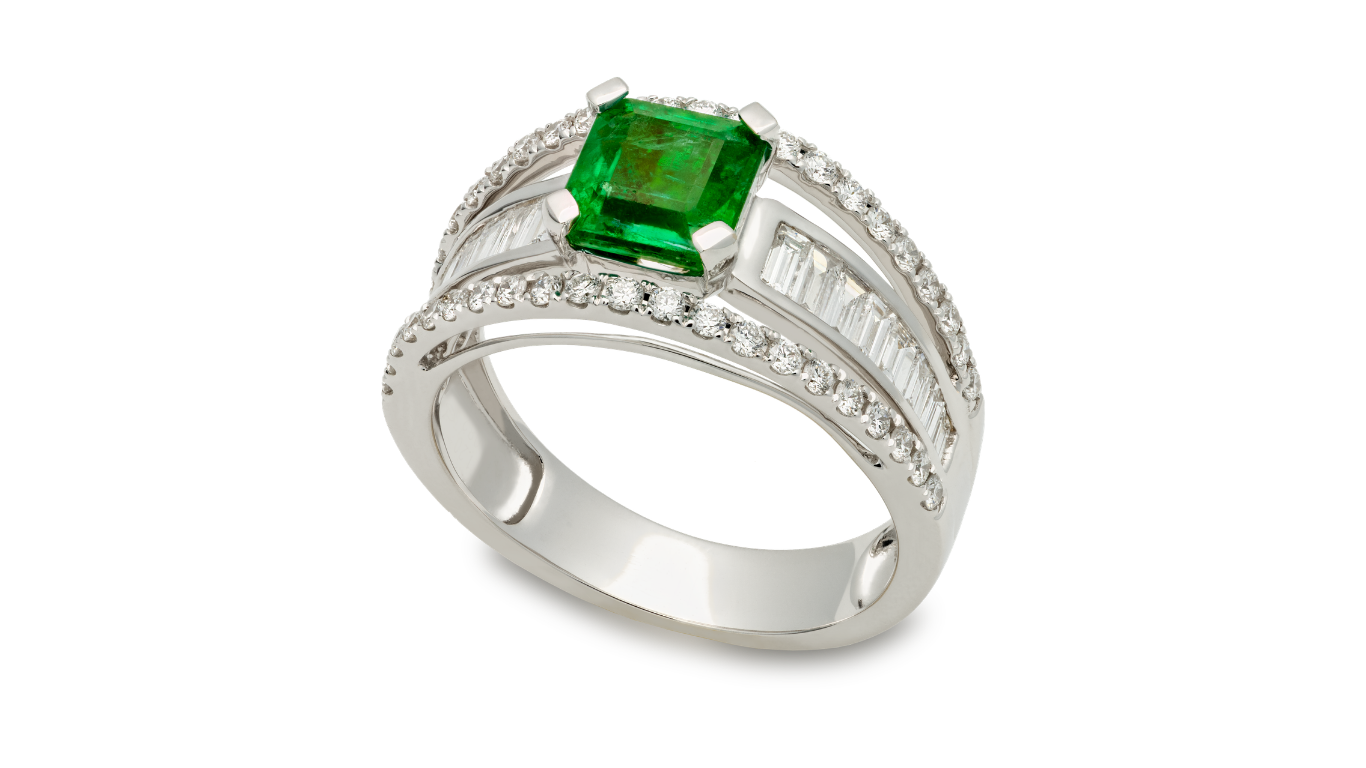
Discover why Colombian emeralds are the most coveted gemstones on earth. Learn about their unmatched color, rich history, and what sets them apart from emeralds mined anywhere else in the world.
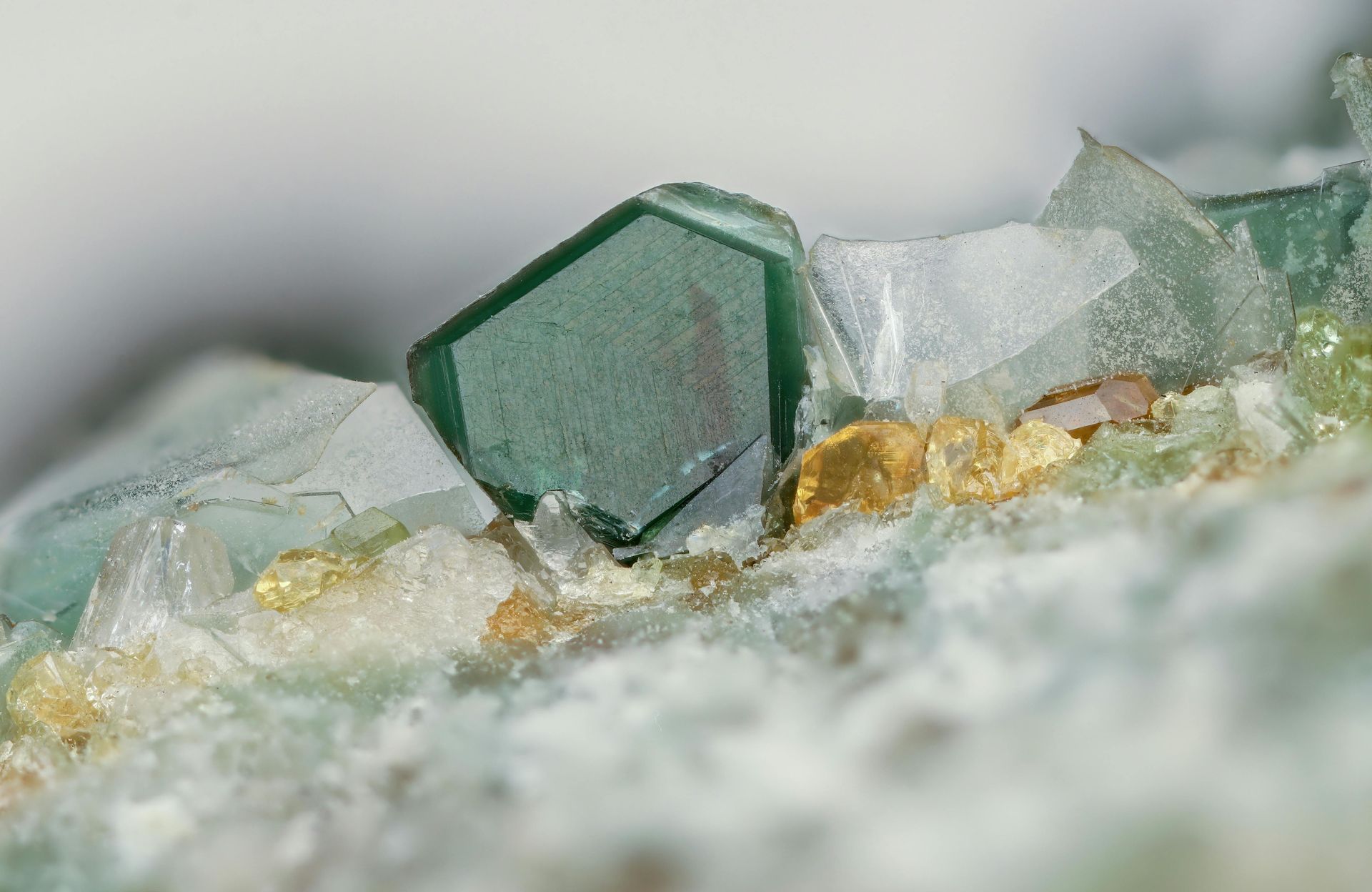
Explore the rich history of emeralds across civilizations - from Cleopatra's legendary mines to Mughal treasures and today's high jewelry houses. A journey through time and green fire.
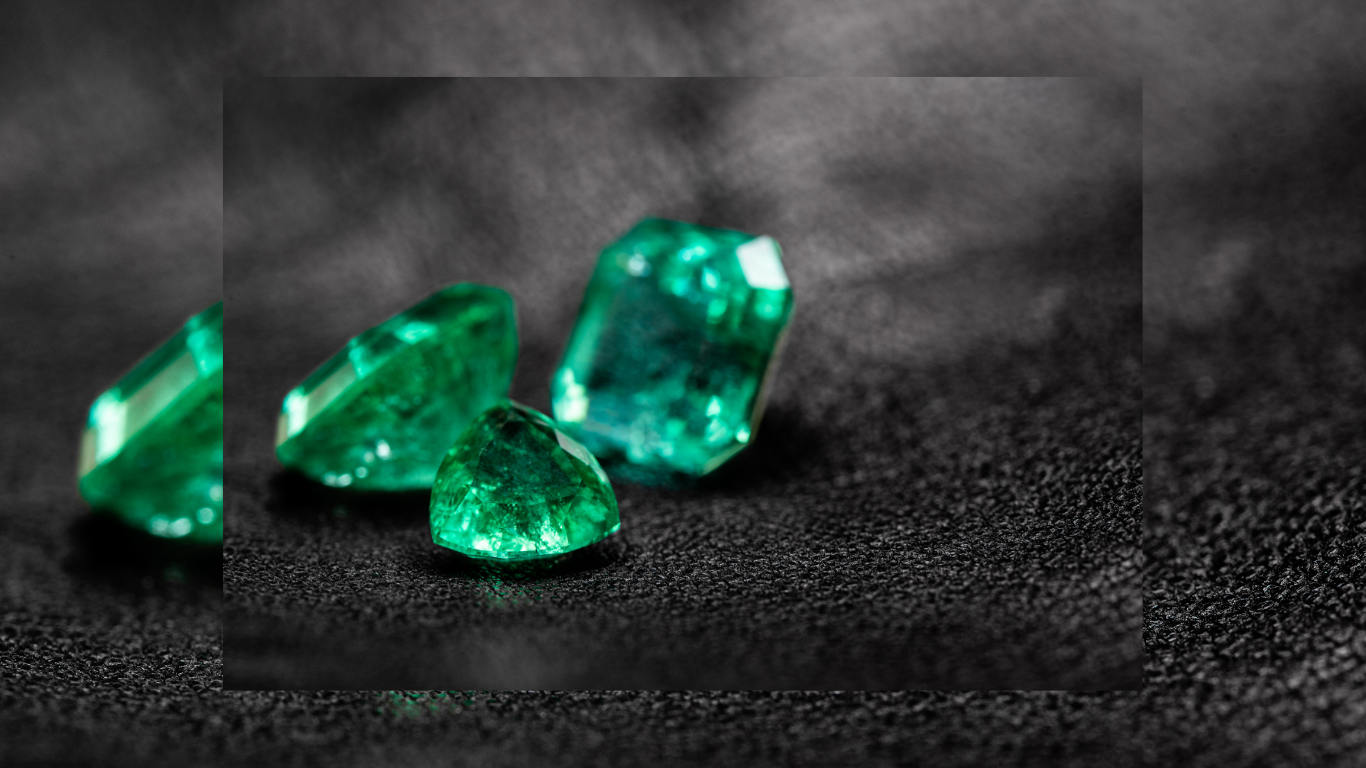
Are emeralds a good investment? Learn why fine Colombian emeralds have consistently held and built value over time, and what to look for when buying emeralds as an asset.
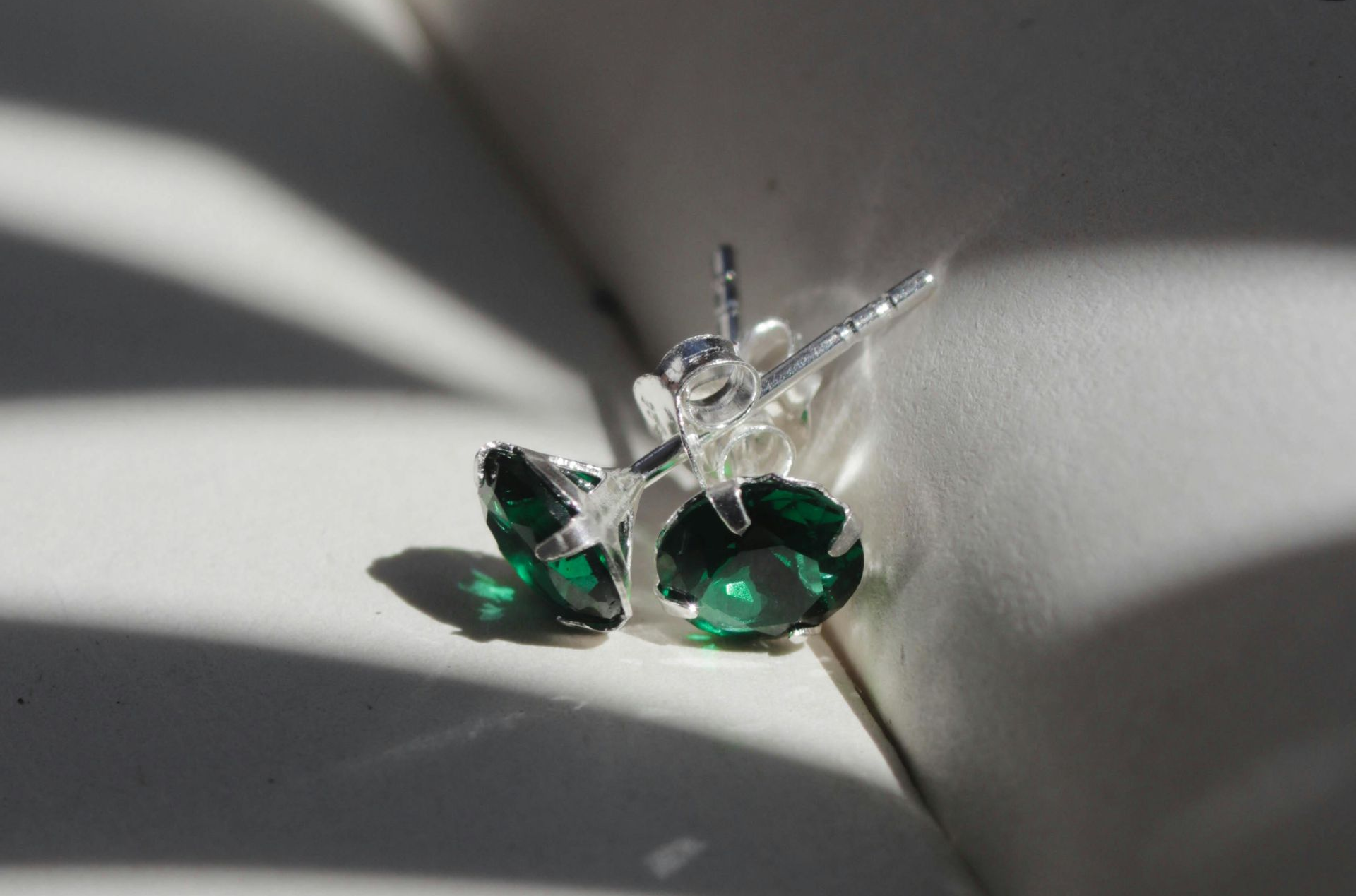
Emeralds require special care. Learn how to clean, store, and protect your emerald jewelry to preserve its beauty and value for decades — expert guidance from Eme Gems.
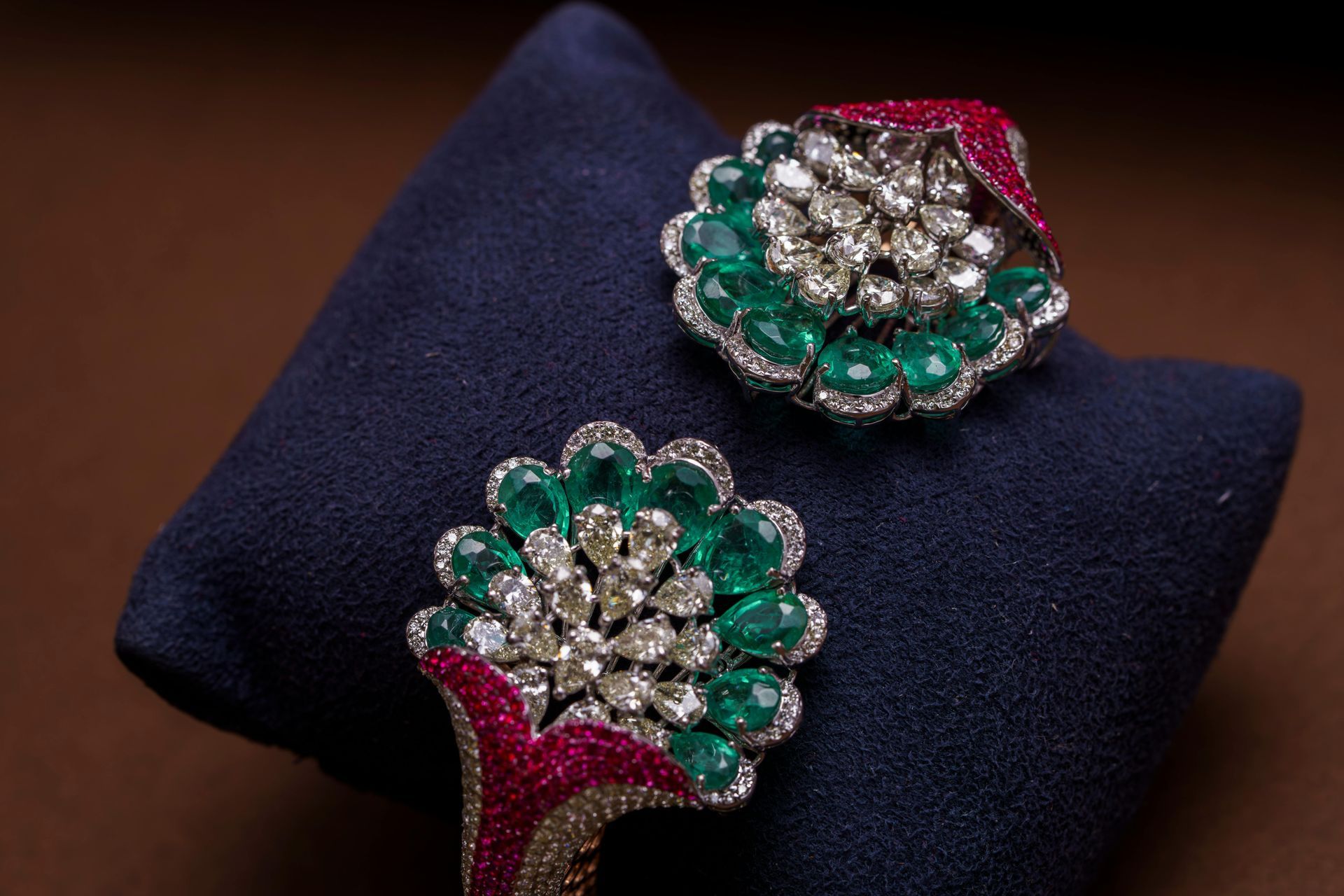
What's the difference between natural, treated, and synthetic emeralds? This guide explains emerald treatments, how they affect value, and what disclosures to demand before purchasing.
Emeralds have carried a rich symbolism throughout history and into modern times. The article dives into some of those stories.