
Investing in Emeralds — Why These Stones Hold and Build Value
Lisbet Newton • April 11, 2026
This is a subtitle for your new post
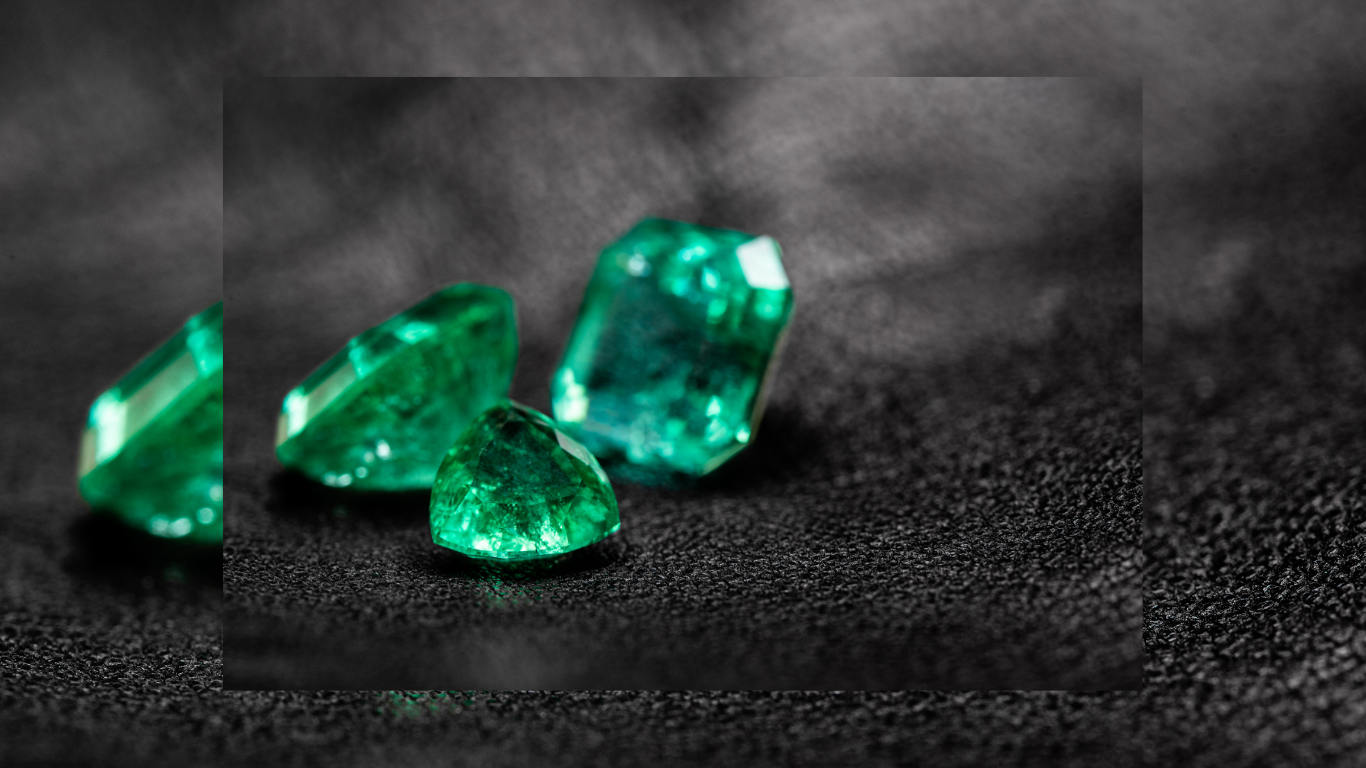
In an era of volatile markets, inflation concerns, and an increasing appetite for tangible assets, fine gemstones have drawn renewed attention from sophisticated investors and collectors alike. Among colored stones, Colombian emeralds occupy a particularly compelling position - combining natural rarity, documented demand, and a track record of value retention that few assets can match. This is not to say that emerald buying should replace conventional investment strategies, but for those who appreciate beauty alongside financial prudence, fine emeralds deserve serious consideration.
Rarity Drives Long-Term Value
The economic case for fine emeralds begins with supply. Unlike gold or silver, which are measured and tracked globally, natural emeralds of exceptional quality cannot be manufactured or reliably replenished. The great mining districts of Colombia - Muzo, Chivor, Coscuez — have been producing for five centuries. The richest pockets of these deposits are not inexhaustible, and gem-quality rough above two carats with fine color becomes rarer each decade. Scarcity, by definition, supports price over time.
The Auction Market as Price Reference
Major auction houses provide a transparent, public record of what fine emeralds command at the highest levels. In recent years, Colombian emeralds have set consistent records: the Rockefeller Emerald sold at Christie's for over 5.5 million dollars in 2017, establishing a per-carat record at the time. The 18-carat Stotesbury Emerald, fine Colombian stones at Sotheby's Geneva, and repeat appearances of Mughal-carved emeralds in major sales all demonstrate sustained collector demand at the apex of the market. This price history matters for buyers below the top tier as well - it establishes a confidence floor for quality-driven purchasing.
What Makes an Emerald Investment-Grade
Not every emerald is an investment vehicle. Investment-grade stones share specific characteristics: Colombian origin confirmed by a reputable laboratory; fine to exceptional color in the pure green to slightly bluish green range; minimal to moderate clarity enhancement (no or minor oil); and a weight above one carat, with stones above three carats commanding exponential premiums. Laboratory documentation from GIA, Gübelin, or SSEF is non-negotiable for any stone purchased with investment intent. Without certification, provenance is unverifiable and resale is significantly harder.
Emeralds Versus Other Collectible Assets
Compared to other tangible investments - art, watches, rare whisky, vintage automobiles - emeralds have several advantages. They are portable, private, and require no storage infrastructure beyond a safe. They are recognized and liquid globally, in contrast to market-specific collectibles. They are not subject to the authentication controversies that plague certain art markets. And unlike many luxury collectibles whose value is tied to brand or cultural moment, emerald value is rooted in irreversible geological reality - the stone either has the color or it doesn't, and no trend changes that.
The Emotional Dividend
Investment analysis aside, emeralds offer what few assets can: daily beauty. A fine emerald ring or pendant is not sitting inert in a vault — it is being worn, admired, and passed between generations. The emotional value of a stone that you cherish cannot be quantified, but neither should it be dismissed. The best emerald purchases are ones where the buyer would be satisfied even if the stone never appreciated - because the pleasure of ownership is itself a return.
How to Buy Smart
If you are approaching emerald purchase with investment intent, work with a specialist who can explain treatment levels, provides laboratory documentation, and has a clear resale policy or established market relationships. Be skeptical of dealers who cannot answer questions about treatment or who resist providing written descriptions of what they are selling. The emerald market rewards educated buyers - and those who do their homework at the point of purchase are the ones who find it easiest to sell, trade, or pass on their stones at favorable terms years later.
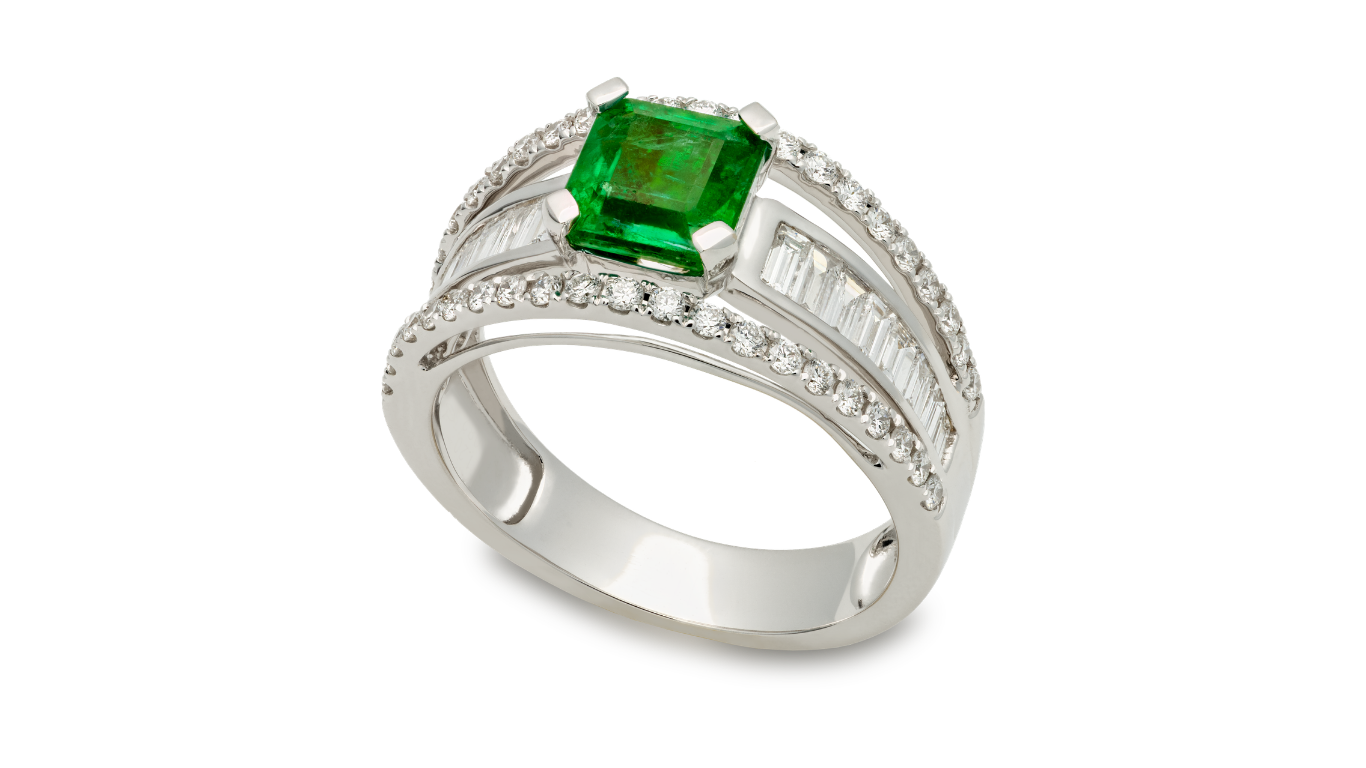
Discover why Colombian emeralds are the most coveted gemstones on earth. Learn about their unmatched color, rich history, and what sets them apart from emeralds mined anywhere else in the world.
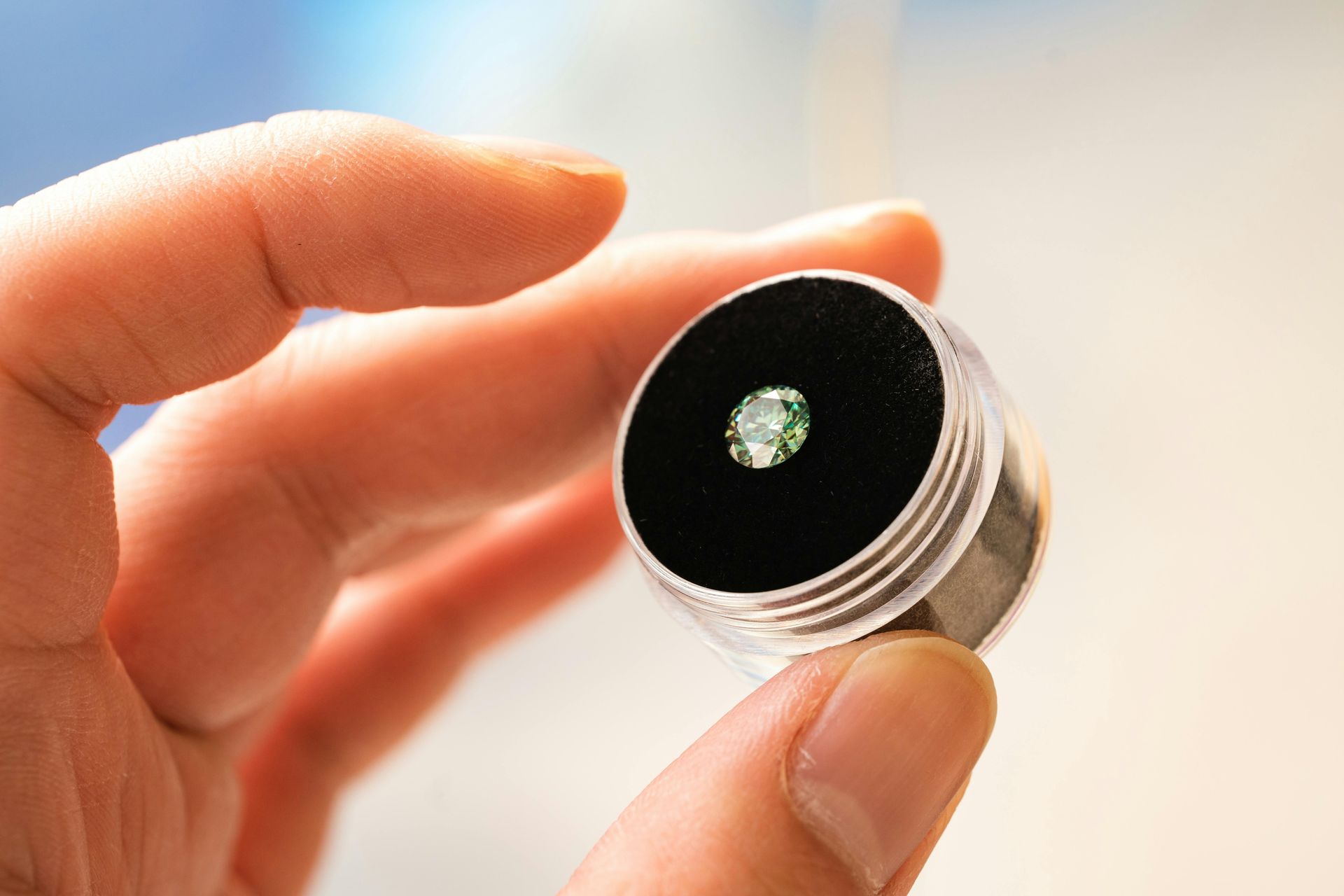
Learn how to evaluate emerald quality using the Four Cs - color, clarity, cut, and carat weight. This expert buyer's guide helps you make a confident, informed emerald purchase.
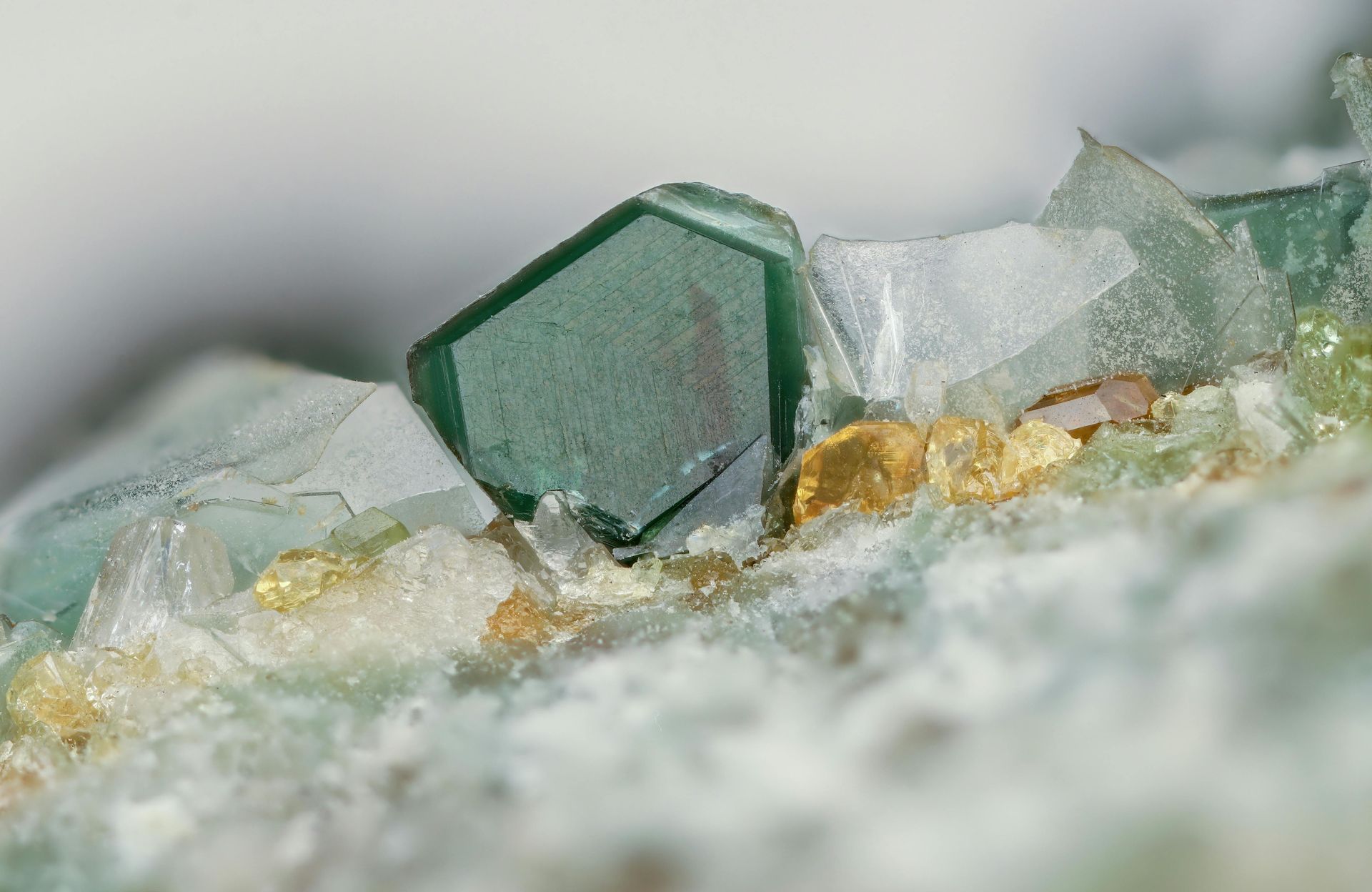
Explore the rich history of emeralds across civilizations - from Cleopatra's legendary mines to Mughal treasures and today's high jewelry houses. A journey through time and green fire.
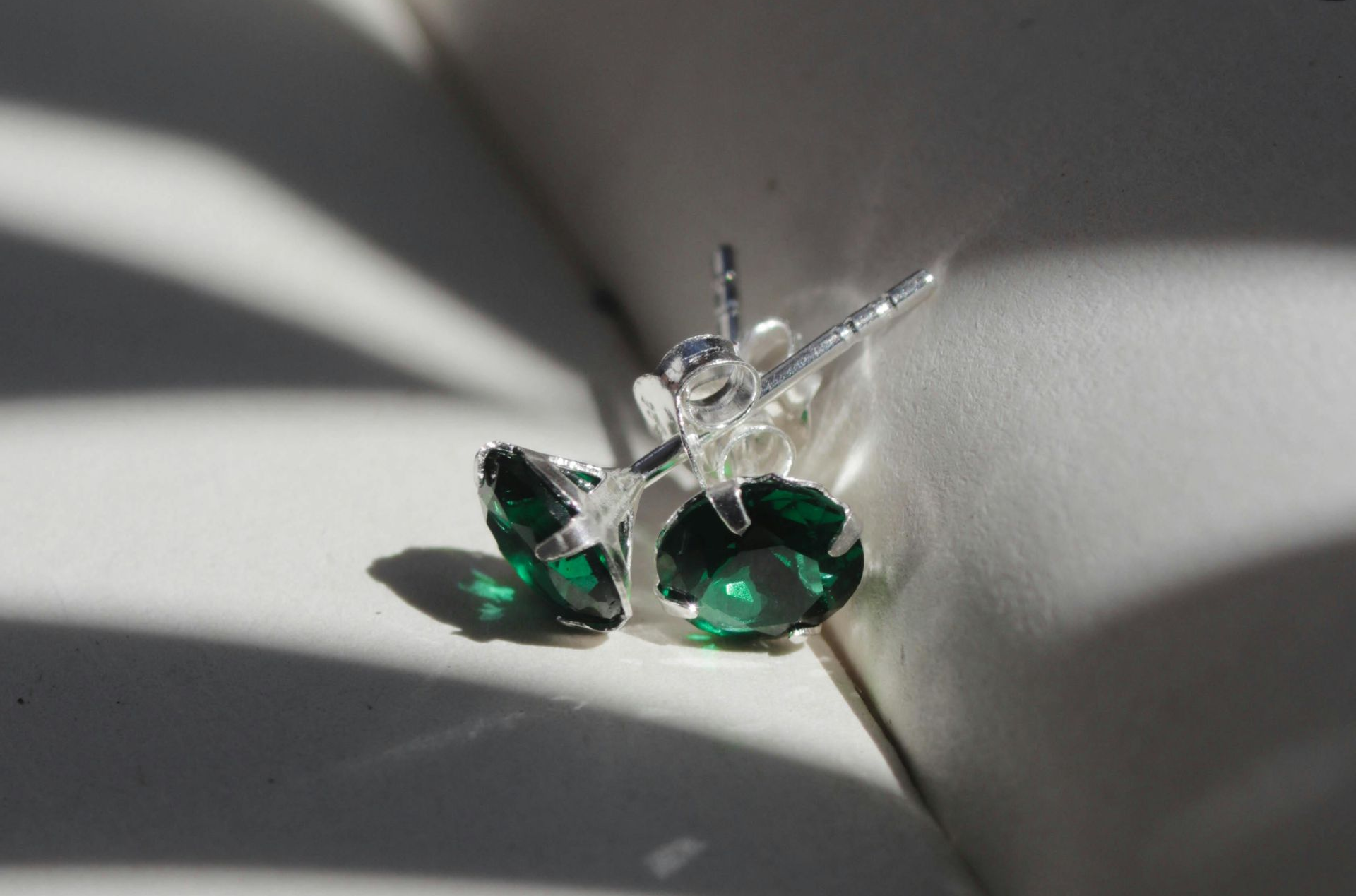
Emeralds require special care. Learn how to clean, store, and protect your emerald jewelry to preserve its beauty and value for decades — expert guidance from Eme Gems.
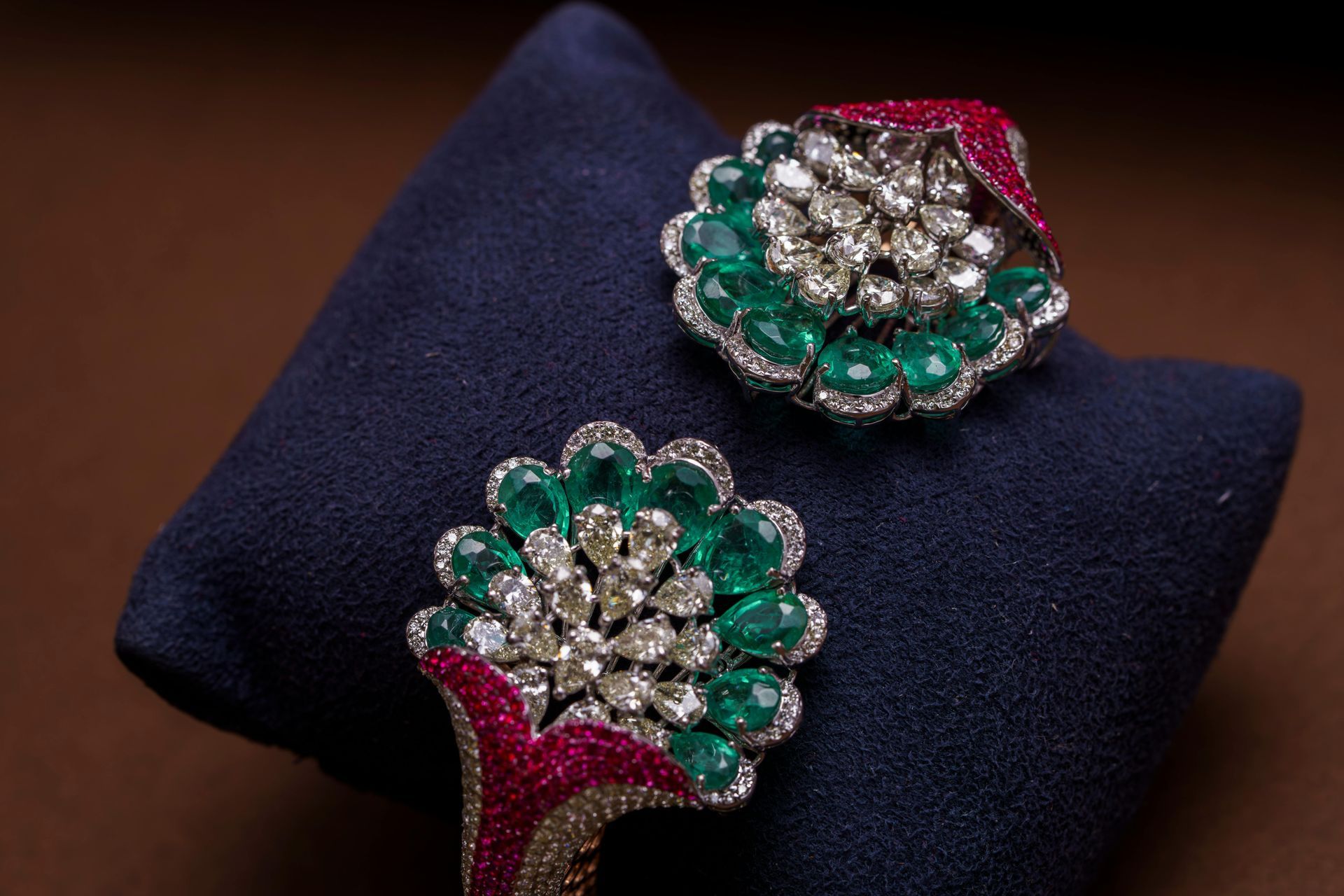
What's the difference between natural, treated, and synthetic emeralds? This guide explains emerald treatments, how they affect value, and what disclosures to demand before purchasing.
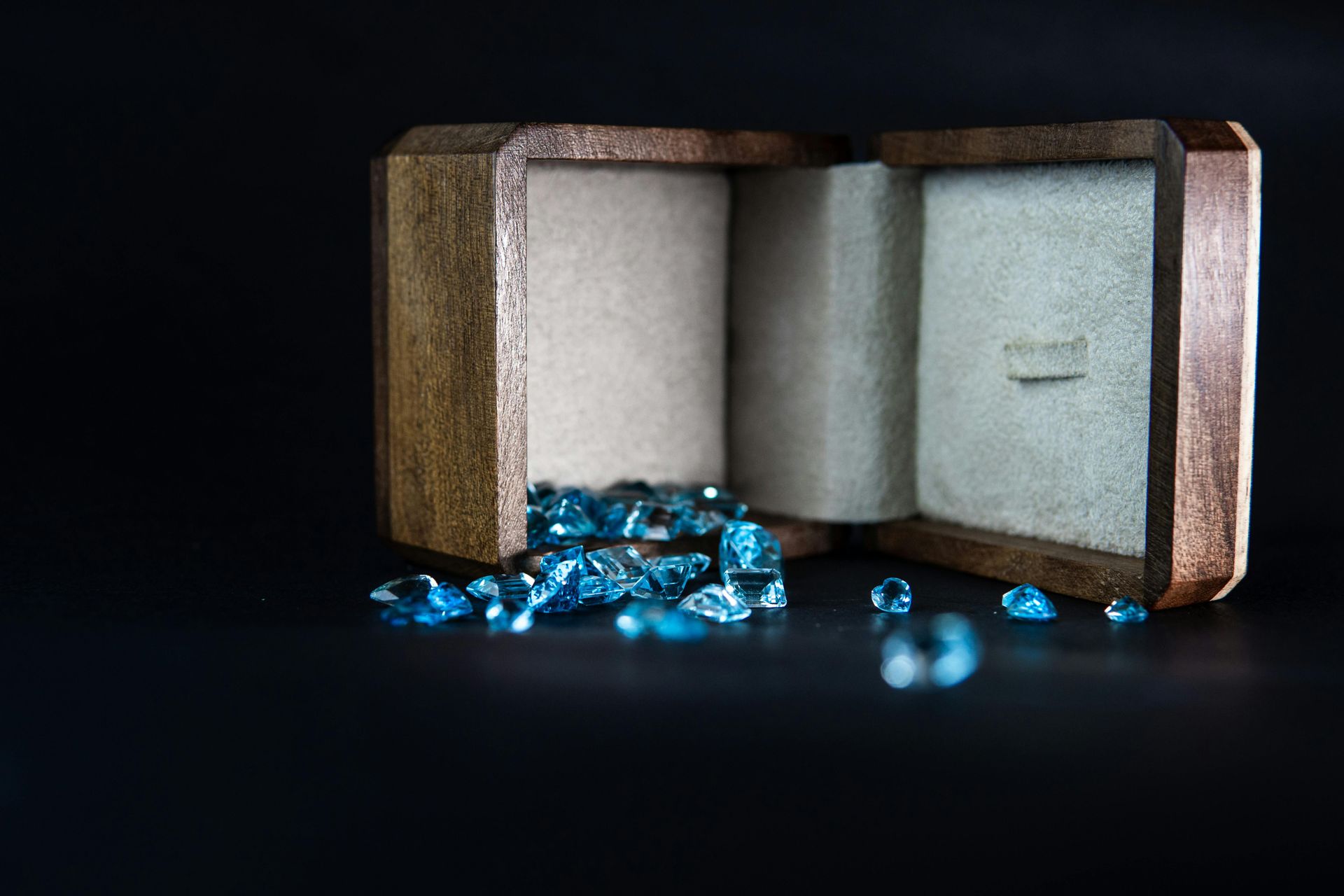
Emeralds have carried a rich symbolism throughout history and into modern times. The article dives into some of those stories.