
The Legacy of Colombian Emeralds
Lisbet Newton • April 11, 2026
Why They're the World's Most Prized
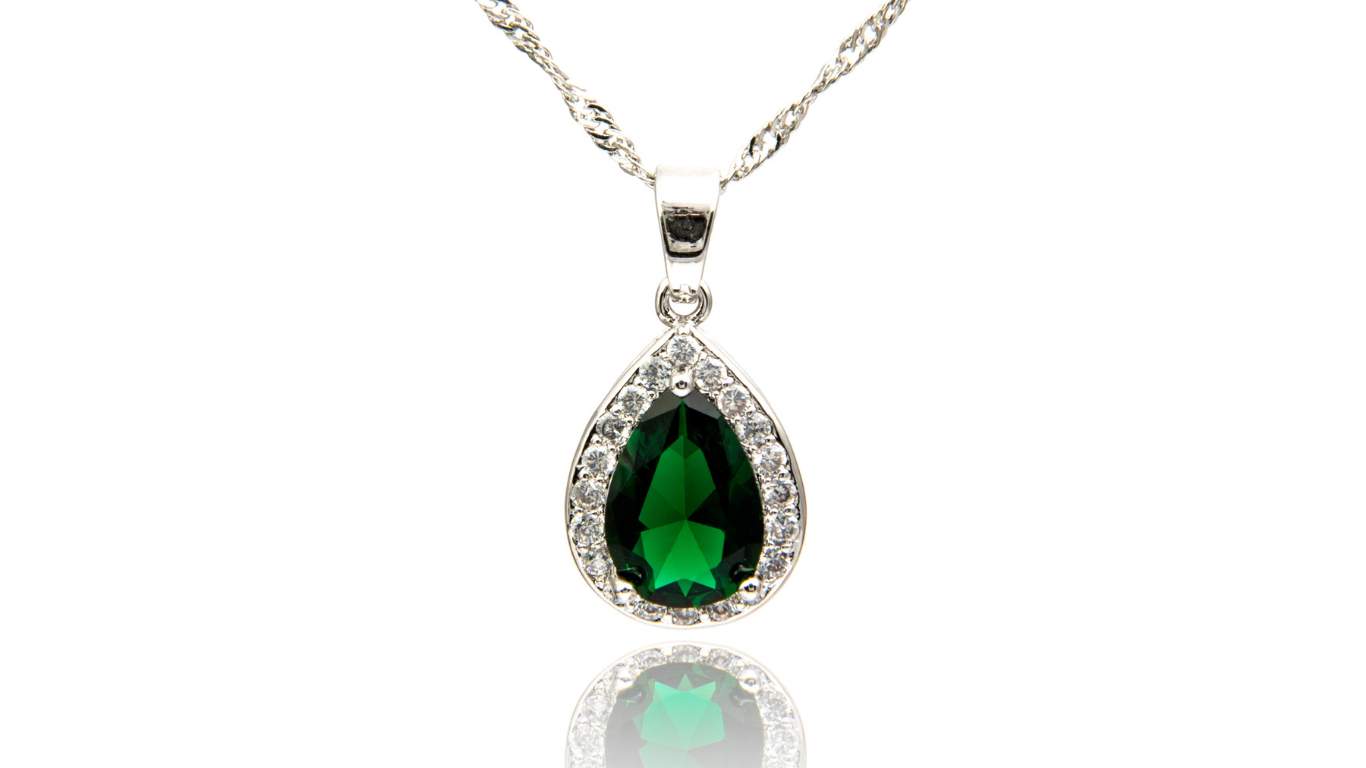
When collectors, jewelers, and gemologists speak of the finest emeralds on earth, one origin rises above all others: Colombia. For centuries, Colombian emeralds have commanded higher prices, deeper reverence, and stronger pursuit than emeralds from any other source. Understanding why requires a look not only at geology, but at history, culture, and the particular magic of color.
A Land Born for Emeralds
Colombia's Andes mountains hold one of the rarest combinations of geological conditions on the planet - the precise mix of tectonic activity, mineral-rich black shale, and hydrothermal fluids that produces emeralds of extraordinary character. The legendary mining districts of Muzo, Chivor, and Coscuez have been yielding gemstones for over five hundred years, first for the Muisca people and then for the Spanish colonial empire, which used Colombian emeralds to reshape the jewelry traditions of Europe and Asia.
The Color No Other Emerald Matches
Color is everything in the emerald world, and Colombian emeralds are defined by a saturated, pure green that gemologists often describe as "pure green" to "slightly bluish green" - a hue that other origins simply cannot replicate consistently. The iron-free host rock in Colombian deposits means that trace amounts of chromium and vanadium color the stone without the muddying yellow or gray tones common in Brazilian or Zambian emeralds. The result is a vivid, warm green with an inner glow that seems almost lit from within. The finest Colombian stones - particularly those from Muzo - display a phenomenon known as "jardin" (French for garden): inclusions of natural crystals, fluids, and mineral traces that are not flaws but fingerprints. Paradoxically, these inclusions are proof of natural origin and are celebrated rather than hidden in Colombian gems.
Why Provenance Drives Price
A certified Colombian origin can add significant value to an emerald at auction and in private sale. This is not snobbery - it is the market's recognition of consistent quality, centuries of reputation, and genuine rarity. Colombia accounts for roughly 70 to 90 percent of the world's finest emeralds by value, despite producing a smaller volume than some competing nations. Major auction houses including Sotheby's and Christie's routinely highlight Colombian origin in lot descriptions for top-tier stones, and record-breaking emerald sales almost always involve Colombian gems.
The Mining Communities Behind the Stone
Modern Colombian emerald mining is deeply intertwined with the communities of Boyacá Department, where Muzo and the surrounding villages have depended on emerald production for generations. Responsible sourcing has become increasingly important to buyers and sellers alike, and reputable dealers invest in supply chain transparency to ensure that the stones they sell support fair labor practices and community development. When you purchase a Colombian emerald, you are participating in a centuries-old tradition with living people at its roots.
How to Confirm Colombian Origin
Reputable gemological laboratories - including the Gemological Institute of America (GIA), Gübelin, and SSEF - offer country-of-origin reports for emeralds. These reports use trace element analysis and spectroscopy to identify the geochemical fingerprint of a stone and confirm its birthplace. At Eme Gems, we encourage buyers to request laboratory reports for significant purchases, not only for origin confirmation but for complete peace of mind. A Colombian emerald with documentation is not just a beautiful object — it is a verified piece of natural history.
Why Colombian Emeralds Endure
In a market flooded with synthetic stones, glass simulants, and heavily treated gems, the Colombian emerald stands as a benchmark of what natural color can be. It has been worn by Mughal emperors, Spanish queens, Hollywood icons, and contemporary collectors who understand that no two stones are alike and no laboratory has yet produced a synthetic that rivals the presence of a fine Colombian emerald in hand. That is the legacy - and it shows no signs of diminishing.
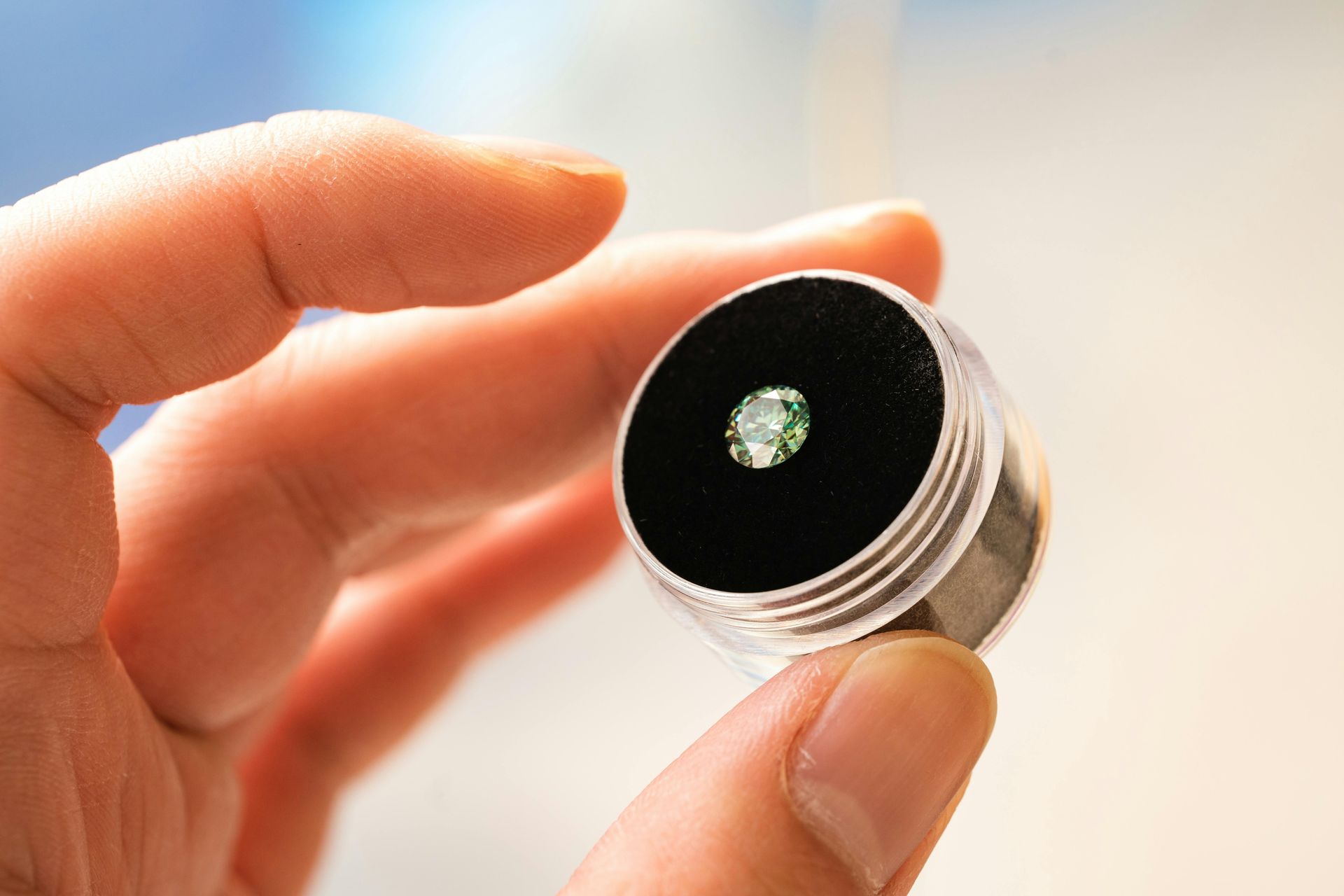
Learn how to evaluate emerald quality using the Four Cs - color, clarity, cut, and carat weight. This expert buyer's guide helps you make a confident, informed emerald purchase.
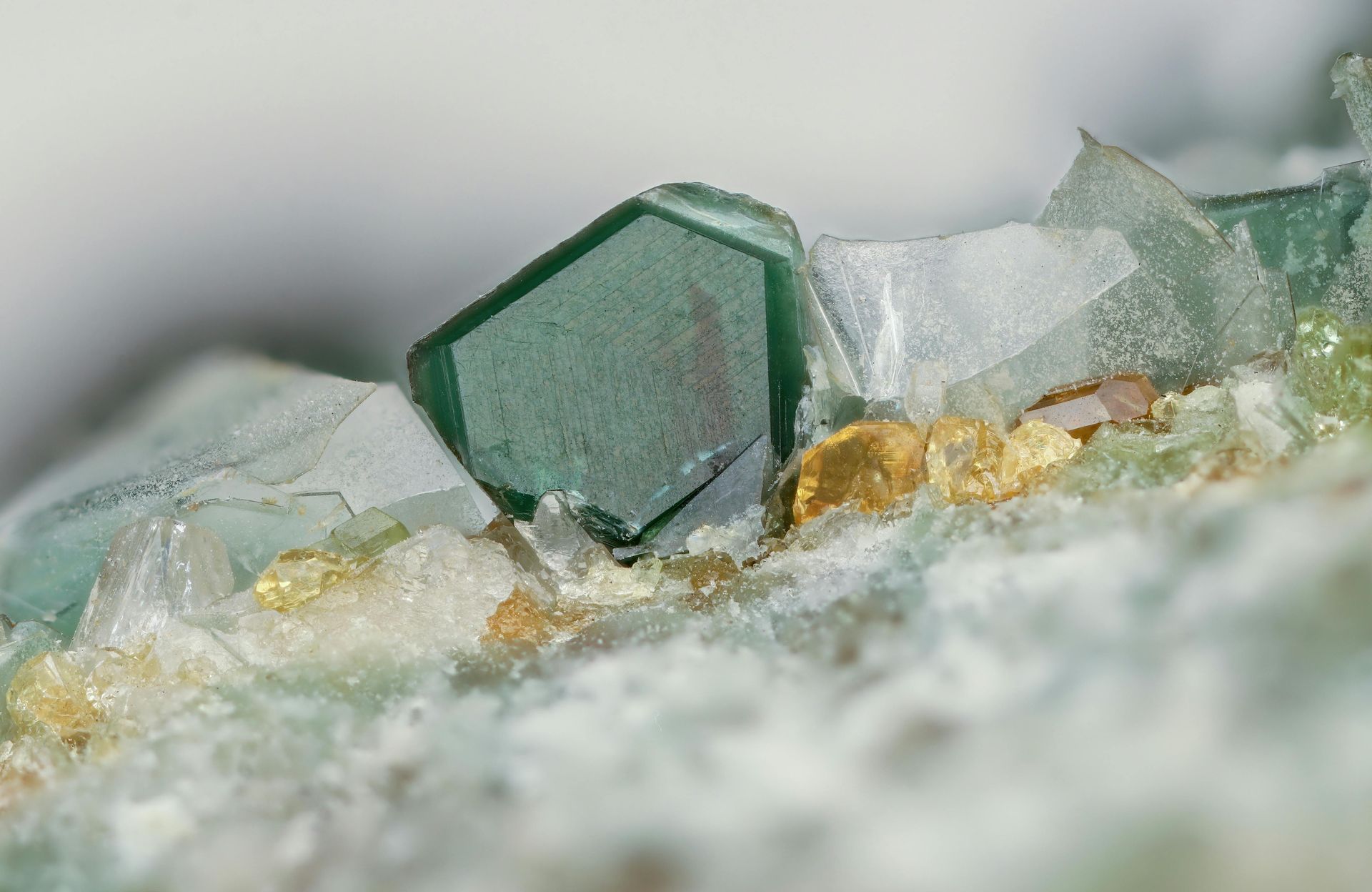
Explore the rich history of emeralds across civilizations - from Cleopatra's legendary mines to Mughal treasures and today's high jewelry houses. A journey through time and green fire.
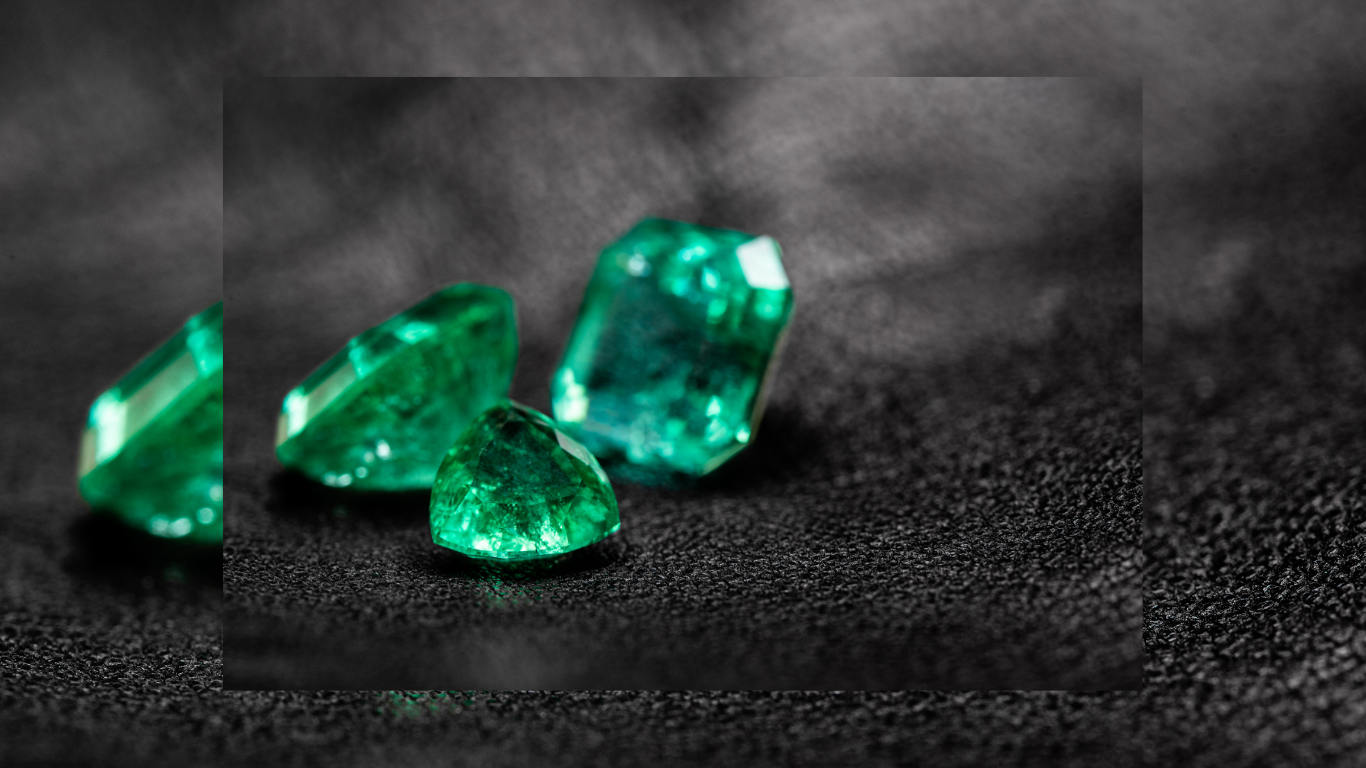
Are emeralds a good investment? Learn why fine Colombian emeralds have consistently held and built value over time, and what to look for when buying emeralds as an asset.
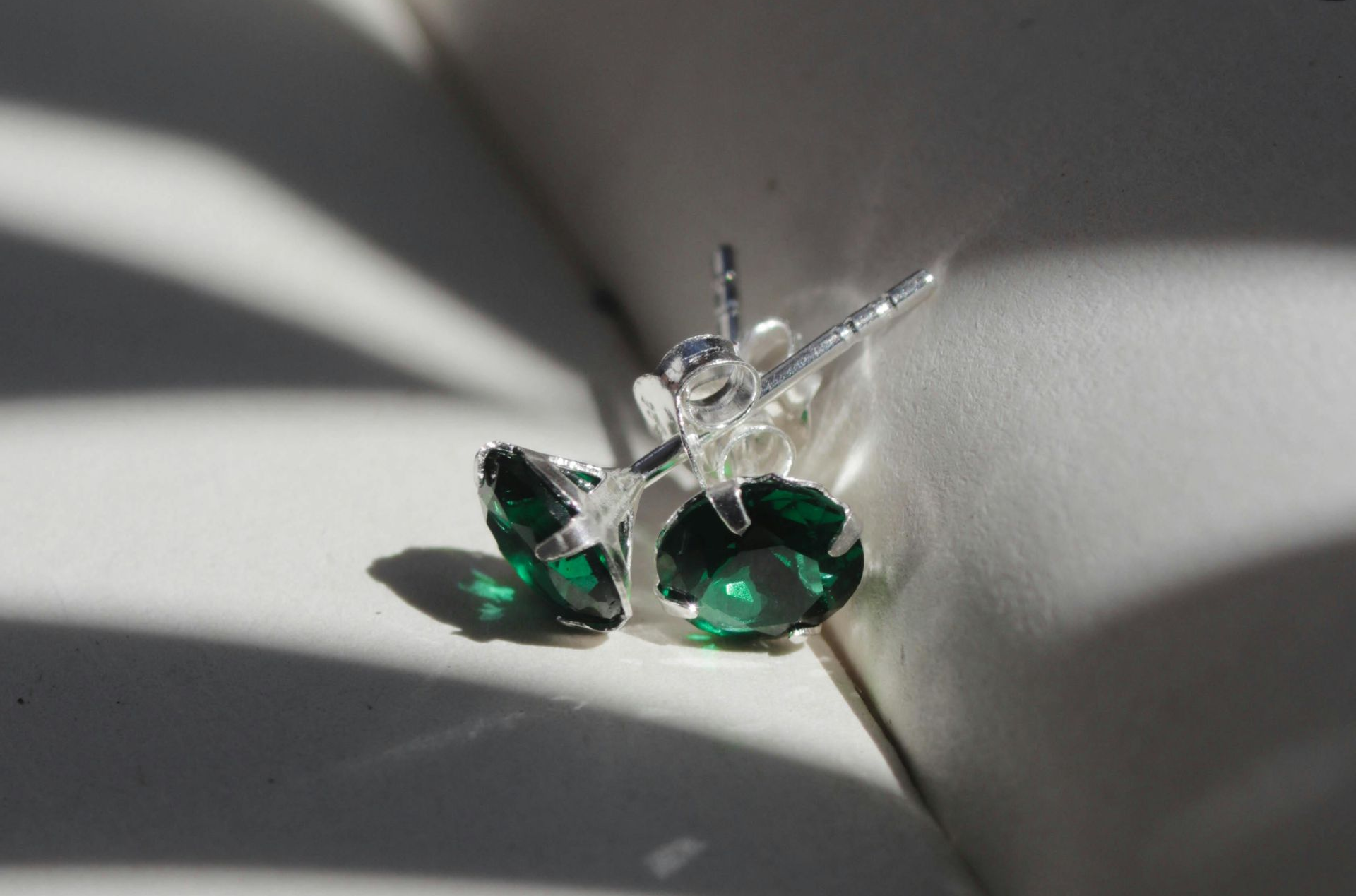
Emeralds require special care. Learn how to clean, store, and protect your emerald jewelry to preserve its beauty and value for decades — expert guidance from Eme Gems.
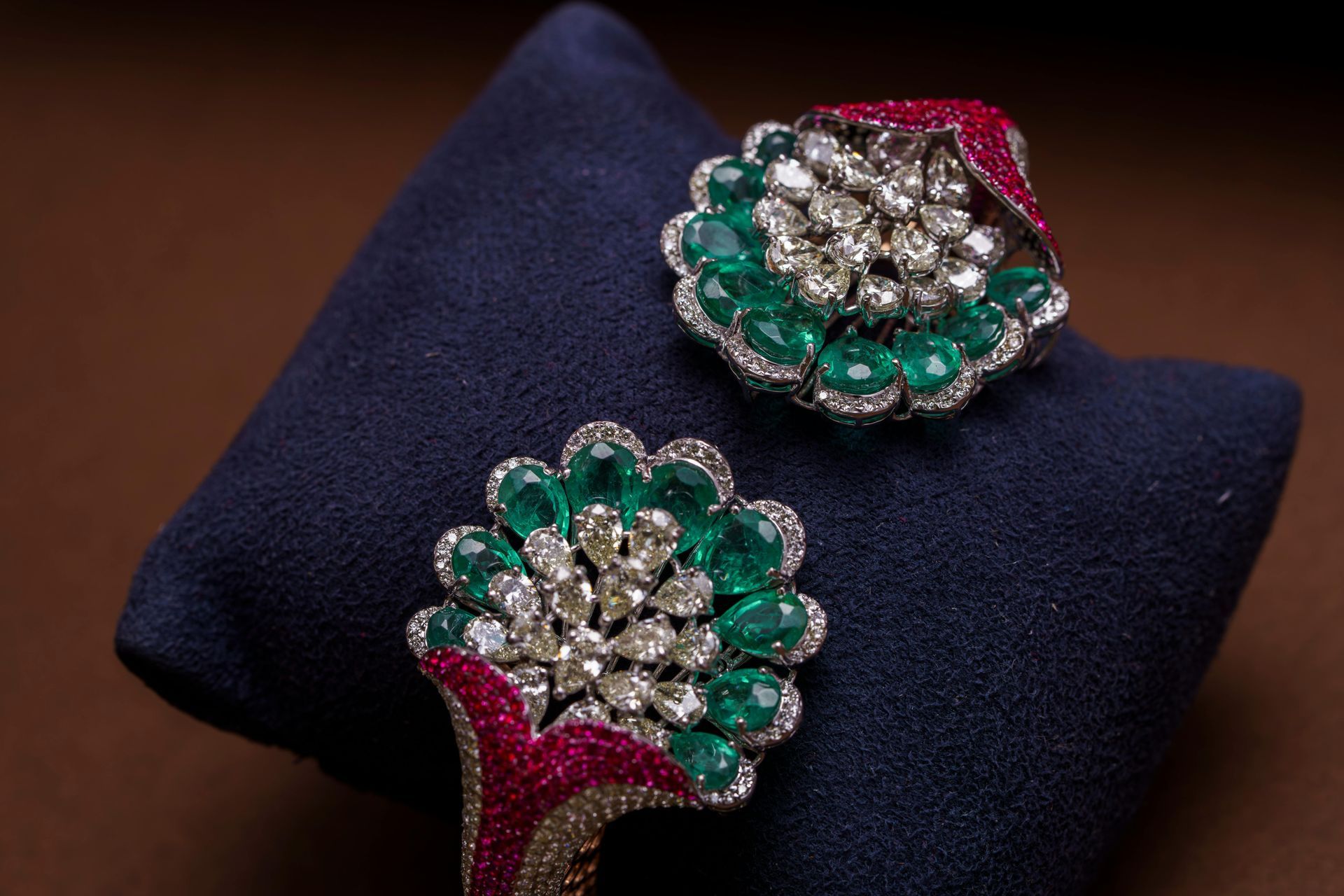
What's the difference between natural, treated, and synthetic emeralds? This guide explains emerald treatments, how they affect value, and what disclosures to demand before purchasing.
Emeralds have carried a rich symbolism throughout history and into modern times. The article dives into some of those stories.