
Emeralds Through History - From Ancient Egypt to Modern Luxury
Lisbet Newton • April 11, 2026
From Ancient Egypt to Modern Luxury
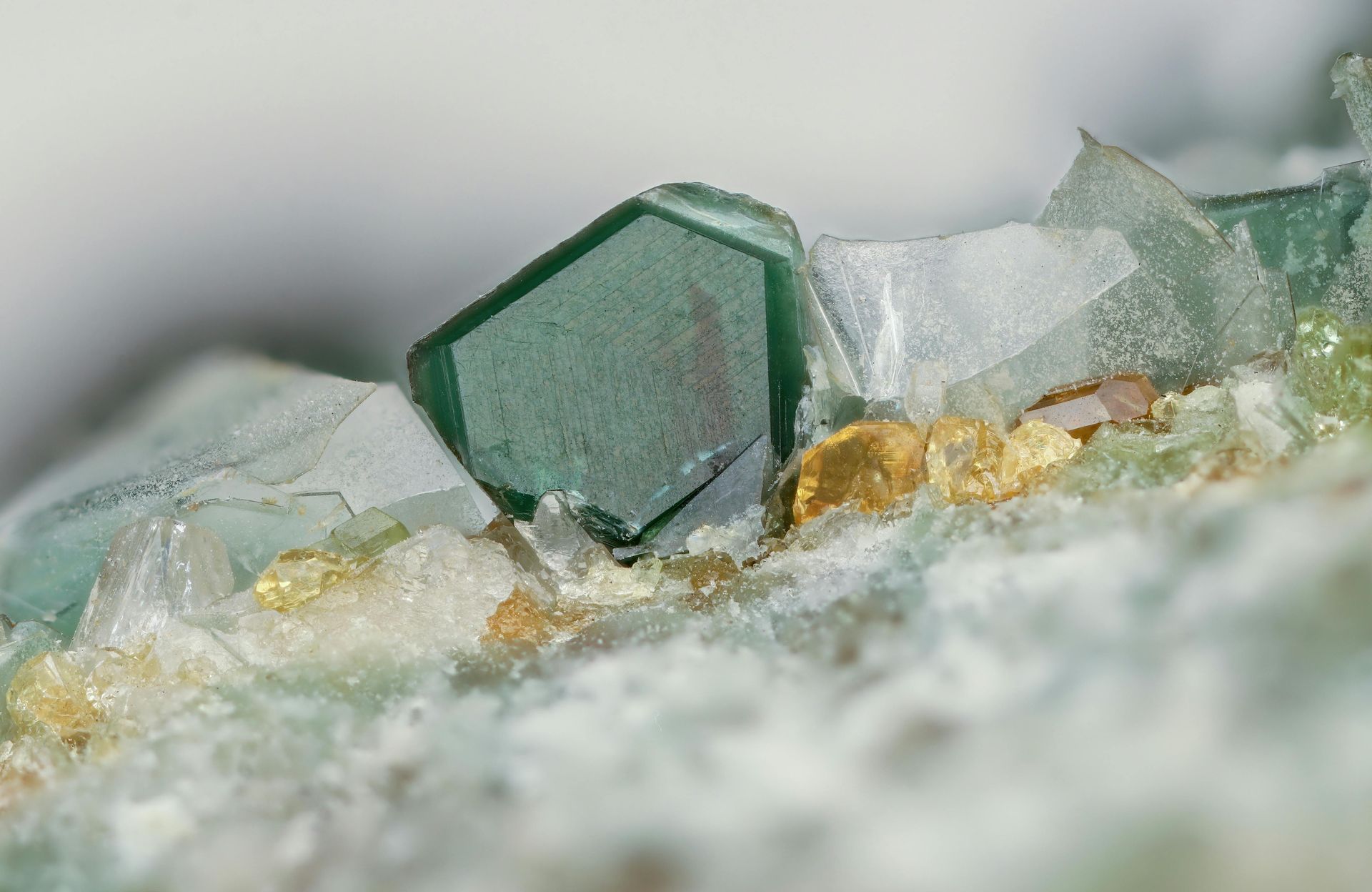
No gemstone has traveled further through human civilization than the emerald. For at least four thousand years, this green gem has been mined, traded, consecrated, and coveted across every major culture on earth. The story of the emerald is, in many ways, the story of human desire itself - our ancient hunger for beauty, rarity, and meaning embedded in stone.
The Mines of Cleopatra
The oldest known emerald mines in history are located in Upper Egypt near the Red Sea coast, in a region now called Wadi Sikait but historically known as Mons Smaragdus - the Mountain of Emeralds. Mining there dates back to at least 1500 BCE under the Egyptian pharaohs. But the mines became most famous under Cleopatra VII, who prized emeralds above all other gems and reportedly gave them as royal gifts to foreign dignitaries. Cleopatra's mines were exhausted centuries ago, and the stones they produced were modest by Colombian standards - but they set the template for how civilizations would value this color for millennia to come.
Rome, Greece, and the Ancient Trade
The ancient Romans believed that looking at emeralds restored tired eyes. Emperor Nero is said to have watched gladiatorial combat through a polished emerald lens. Greek and Roman traders moved emerald rough from Egypt and, later, from mines in what is now Austria, across trade routes that stretched from the Mediterranean to South Asia. Emeralds were embedded in Roman jewelry, used as seals, and prescribed by physicians as remedies for ailments of the eye and spirit.
The Mughal Empire: Emeralds as Sacred Objects
When the Spanish conquistadors discovered the emerald mines of Colombia in the sixteenth century and began shipping South American gems to Europe and Asia, the Mughal emperors of India became their most passionate customers. Mughal rulers - including Jahangir, Shah Jahan (builder of the Taj Mahal), and Aurangzeb - collected Colombian emeralds with religious intensity. Enormous stones were carved with Quranic inscriptions, mounted in turban ornaments, and set into the Peacock Throne. Many of these stones, known as Mughal emeralds, survive today and command extraordinary prices at auction, combining the rarity of exceptional gems with centuries of documented royal provenance.
European Crowns and Colonial Extraction
The Spanish Crown funneled Colombian emeralds into the courts of Europe, where they appeared in royal regalia, church relics, and aristocratic jewelry from Madrid to Vienna. The Habsburg dynasty was particularly devoted to emerald collecting, and many European crown jewels still include Colombian stones of colonial-era origin. This period of extraction was not without its human cost - indigenous labor was exploited in the mines - but it irreversibly established Colombia as the world's premier source and created a global market for fine emeralds that persists today.
The Twentieth Century: Hollywood and High Jewelry
The modern emerald market was shaped by the great jewelry houses. Cartier, Van Cleef and Arpels, Bulgari, Harry Winston elevated the stone into an icon of luxury and sophistication. Elizabeth Taylor's Bulgari emerald and diamond suite, auctioned after her death, became one of the most celebrated jewelry sales of the century. Stars from Grace Kelly to Angelina Jolie have worn fine emeralds on the world's most visible stages. In the contemporary fine jewelry world, emeralds occupy a position that sapphires and rubies compete for but rarely match: they are the color that connotes life, growth, and timeless elegance.
What History Teaches Buyers Today
The four-thousand-year arc of emerald history tells a consistent story: these stones hold meaning, they hold value, and they outlast the civilizations that first coveted them. When you buy a fine emerald today, you are joining a lineage of collectors that runs from the pharaohs to the Mughals to the Hollywood golden age. That context does not just make a stone more interesting — it makes it more precious.
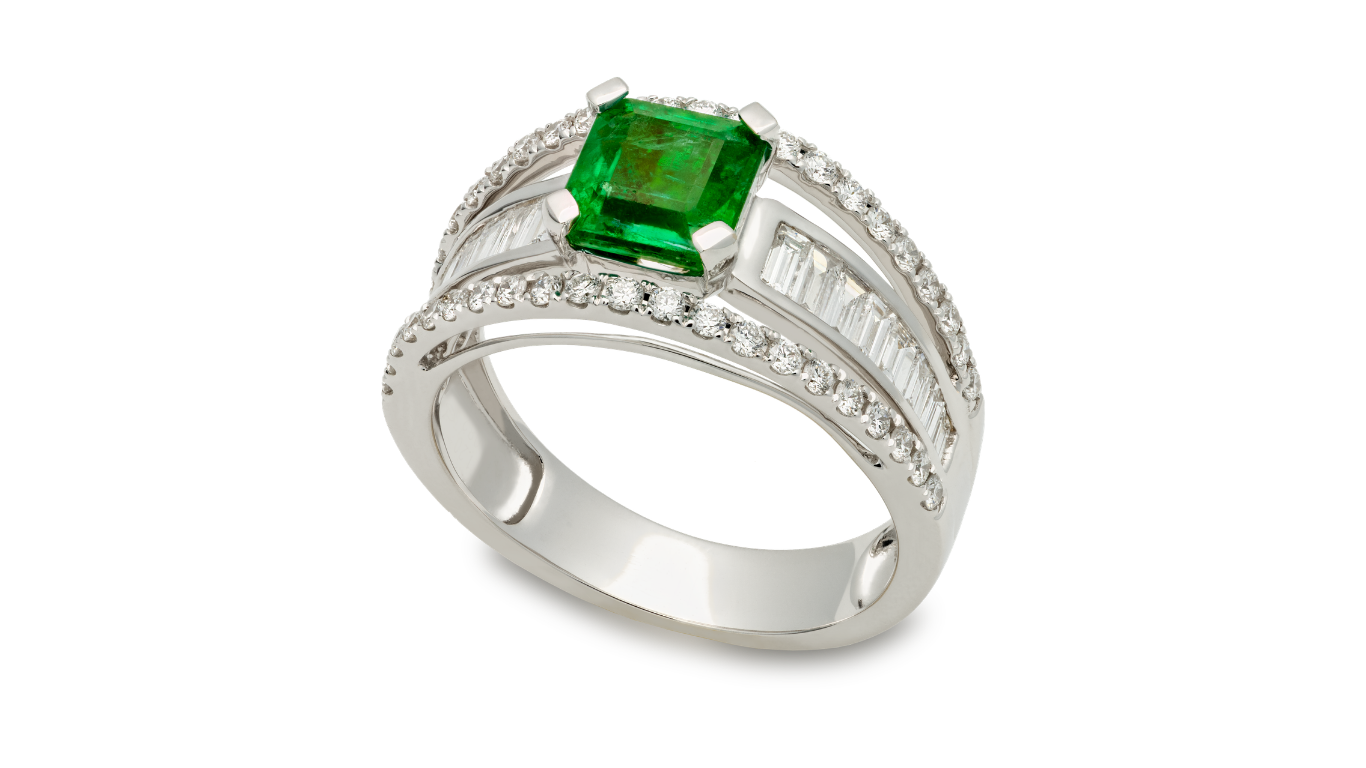
Discover why Colombian emeralds are the most coveted gemstones on earth. Learn about their unmatched color, rich history, and what sets them apart from emeralds mined anywhere else in the world.
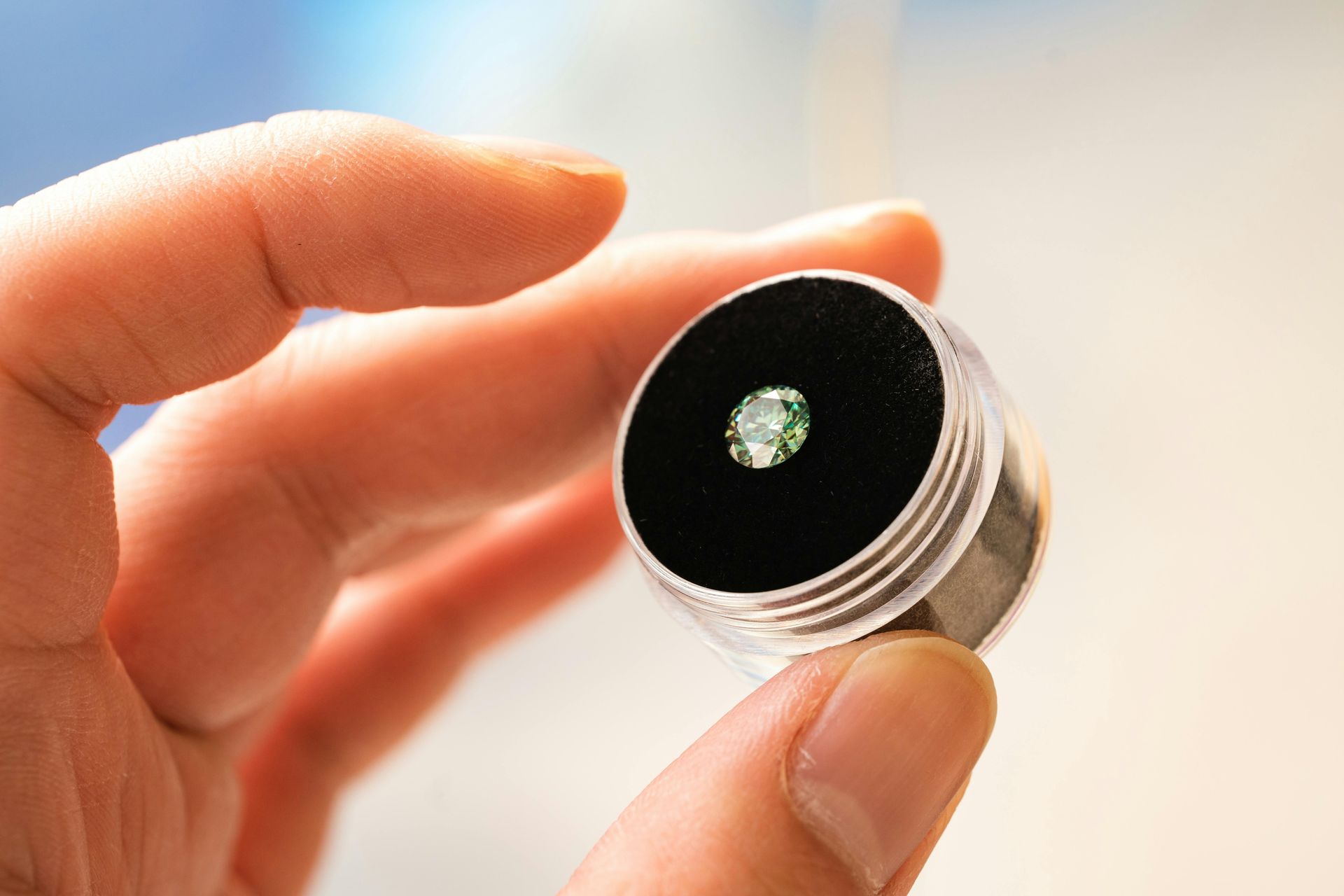
Learn how to evaluate emerald quality using the Four Cs - color, clarity, cut, and carat weight. This expert buyer's guide helps you make a confident, informed emerald purchase.
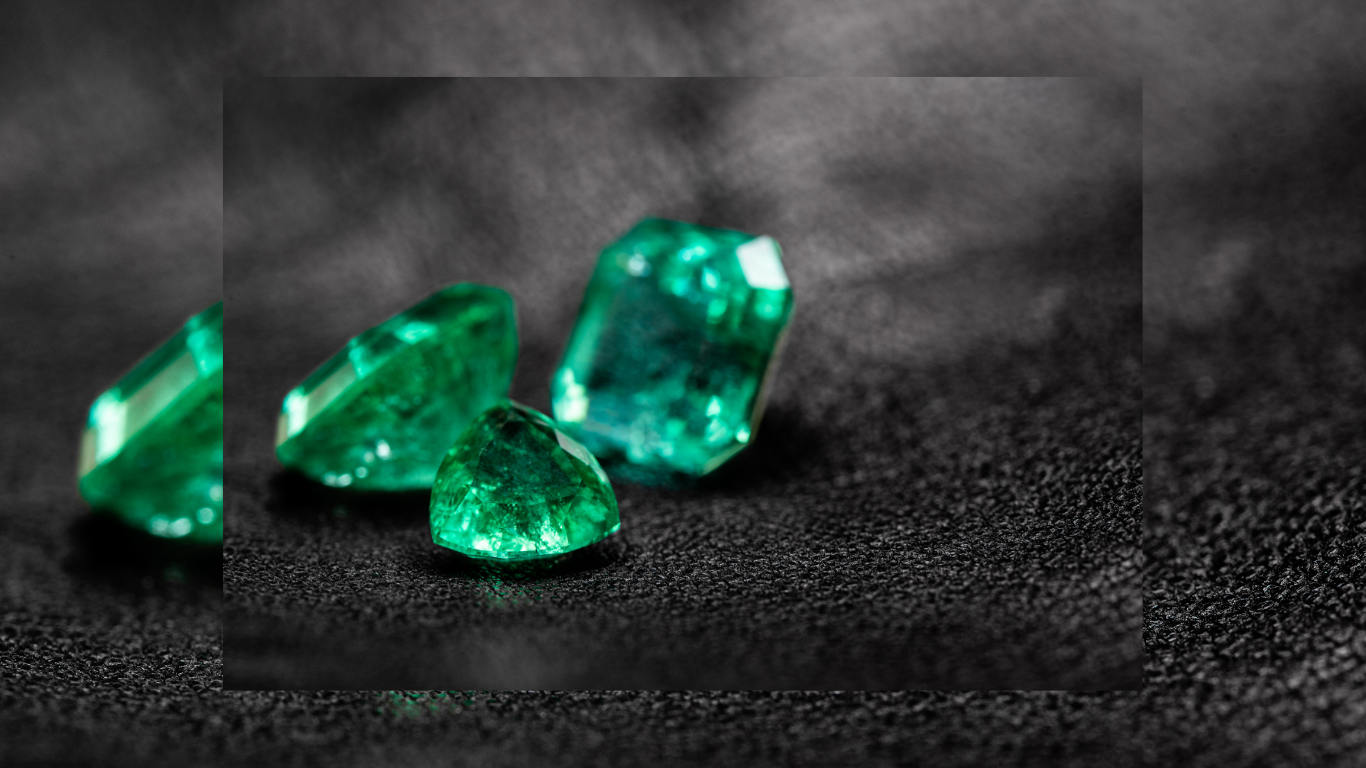
Are emeralds a good investment? Learn why fine Colombian emeralds have consistently held and built value over time, and what to look for when buying emeralds as an asset.
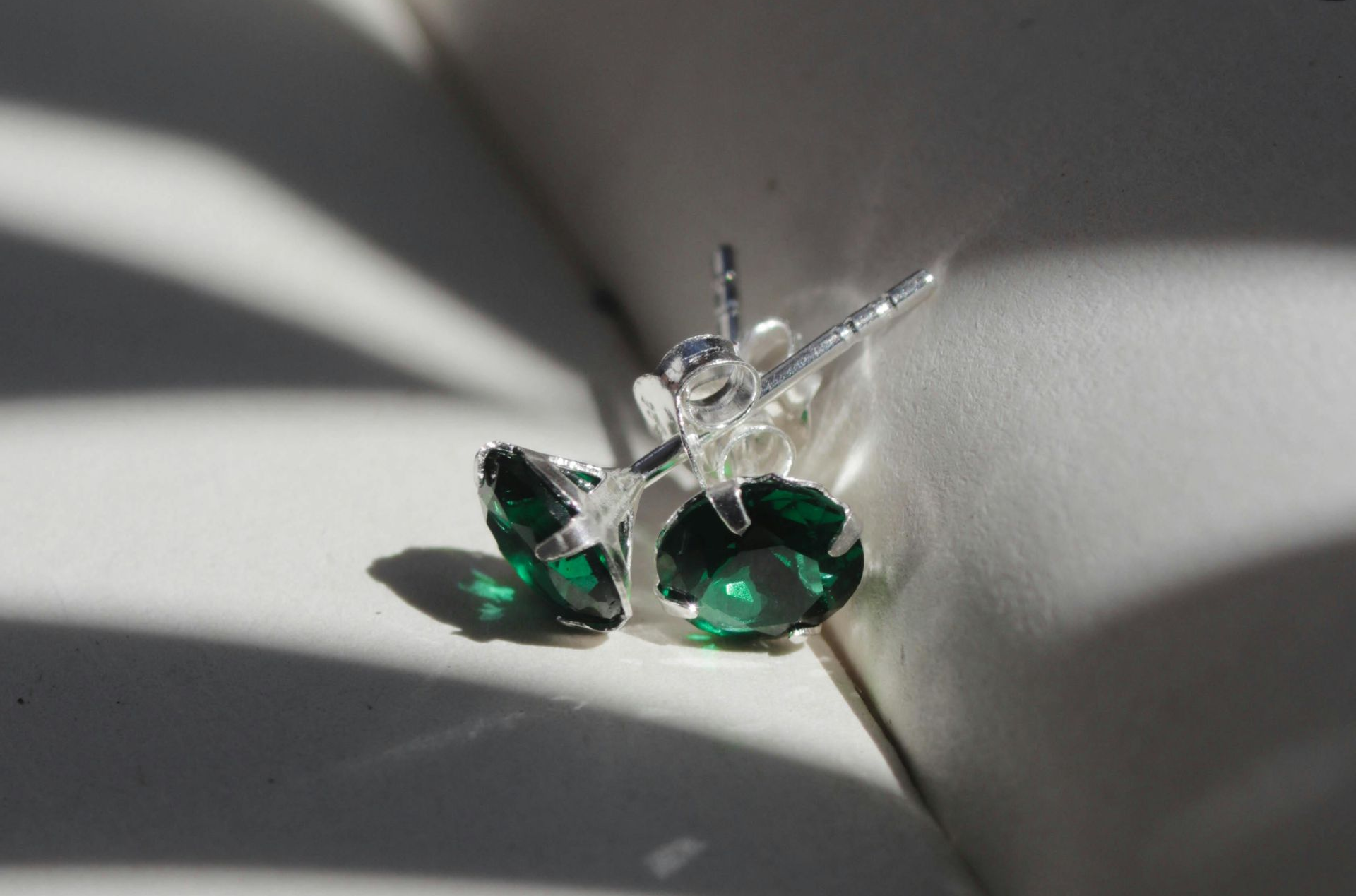
Emeralds require special care. Learn how to clean, store, and protect your emerald jewelry to preserve its beauty and value for decades — expert guidance from Eme Gems.
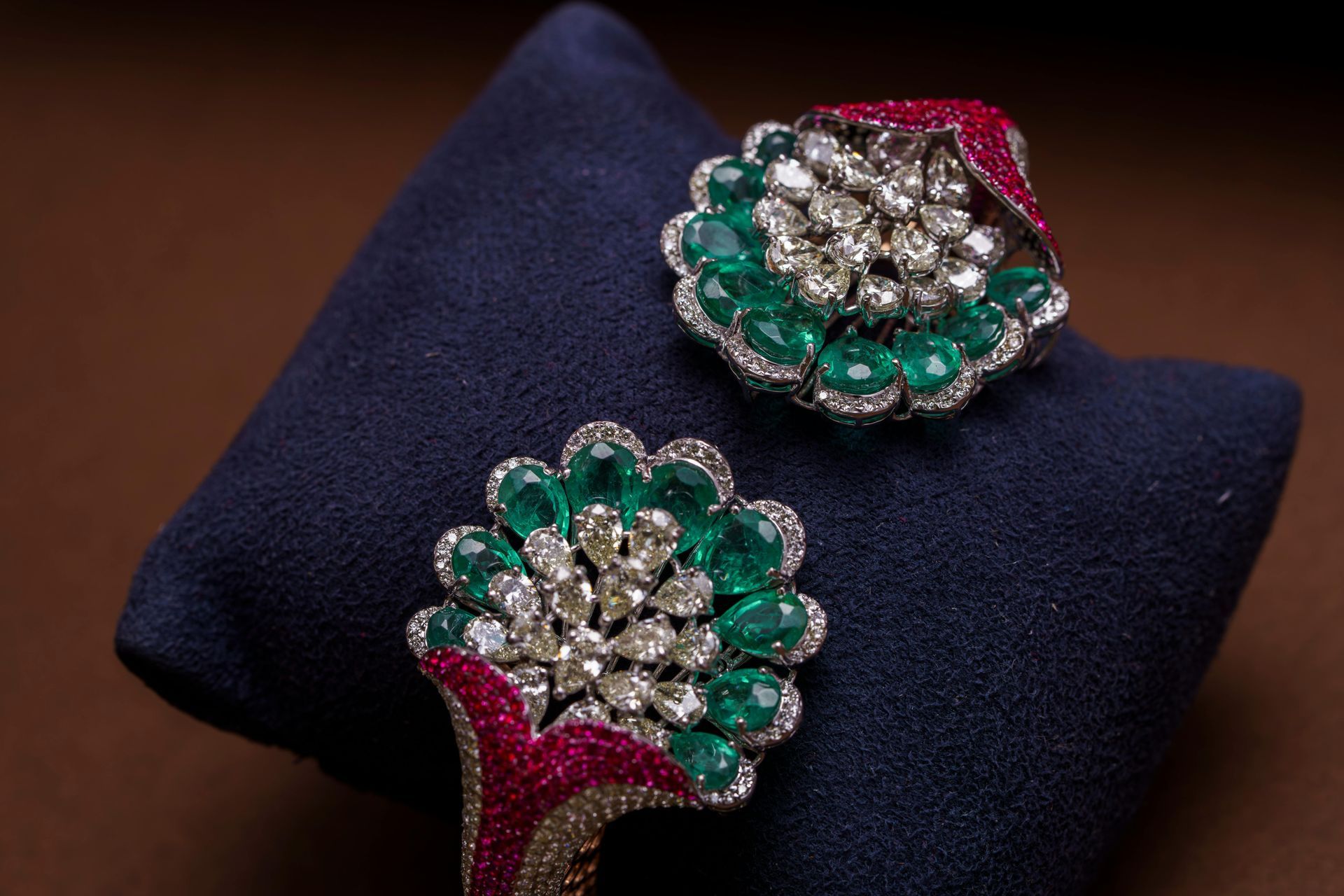
What's the difference between natural, treated, and synthetic emeralds? This guide explains emerald treatments, how they affect value, and what disclosures to demand before purchasing.
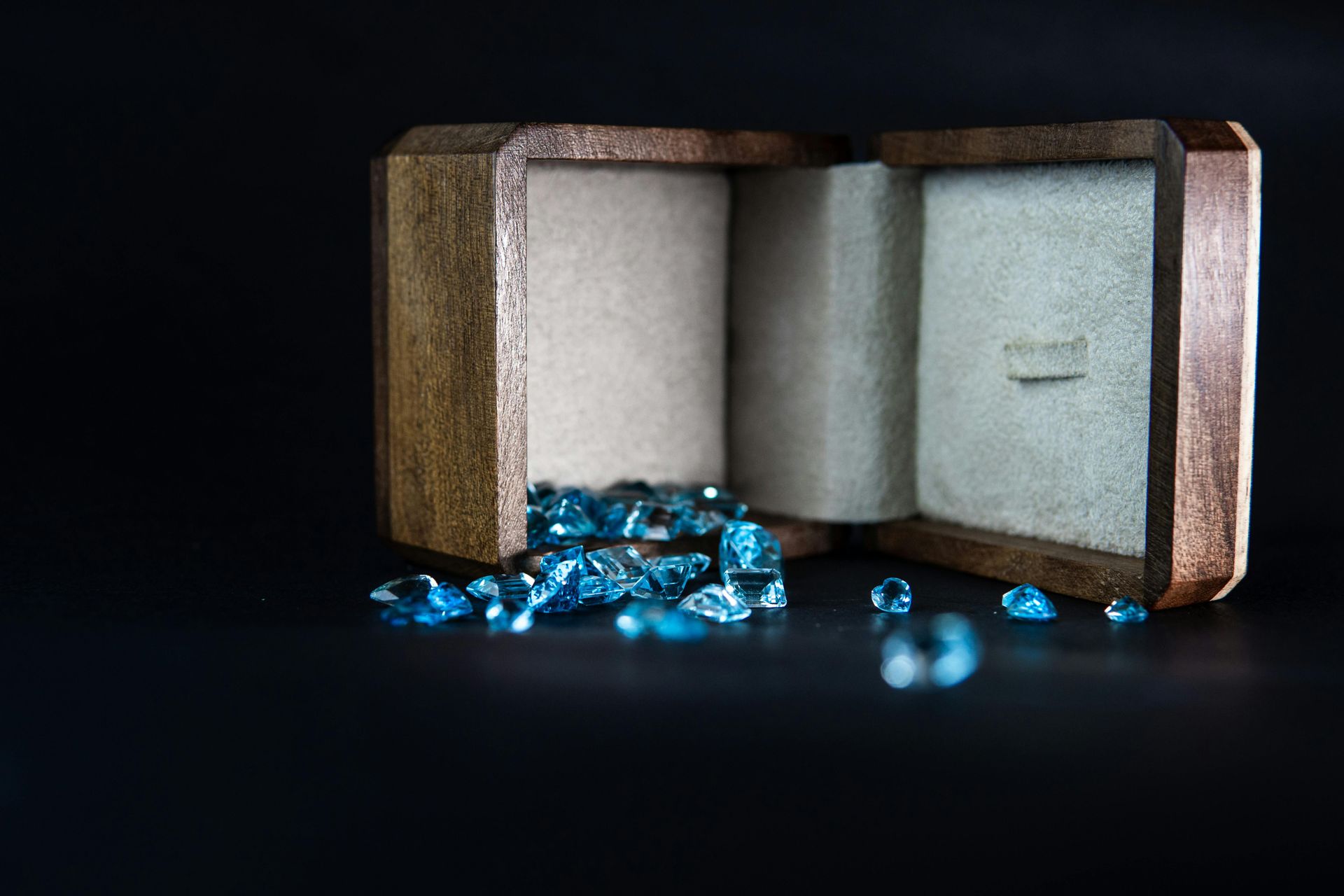
Emeralds have carried a rich symbolism throughout history and into modern times. The article dives into some of those stories.