
Natural Versus Treated Emeralds - What you need to know before you buy
Lisbet Newton • April 11, 2026
What you need to know before you buy

The emerald market is one of the most complex in all of gemology when it comes to treatment and enhancement. Unlike rubies or sapphires, where heat treatment is the dominant concern, emeralds are treated through multiple methods - and the degree of treatment has a dramatic impact on value. Understanding the spectrum from untreated natural emeralds to synthetic laboratory-grown stones is essential knowledge for any buyer.
Natural Emeralds: The Baseline
A natural emerald is one formed in the earth through geological processes over millions of years. Natural does not mean untreated — the vast majority of commercial natural emeralds have been treated in some way to improve their appearance. What natural means is that the stone's growth, color, and fundamental character are geological, not manufactured. Natural emeralds, regardless of treatment status, occupy the top of the value hierarchy because of their rarity and the irreplicable beauty of genuine geological formation.
Understanding Emerald Treatments
Cedar oil was the original treatment used for emeralds, filling surface-reaching fractures to improve transparency and reduce the visual impact of inclusions. Today, a range of synthetic resins and epoxies are also used, often with longer-lasting results. Laboratories classify the degree of treatment on a scale: none, minor, moderate, or significant/heavily enhanced. A stone with no treatment or minor treatment is significantly more valuable than one that has been heavily oiled, because less treatment implies better inherent clarity. A heavily treated stone is not fraudulent if disclosed - but buying a heavily treated stone without knowing it, at a price appropriate for a minor-treatment stone, is a loss that cannot be undone.
Fracture Filling Beyond Oil
Some emeralds are treated with glass-like resins or, in more extreme cases, hardener-infused epoxies that are not reversible in the way cedar oil is. These treatments can dramatically alter a stone's appearance, making heavily fractured material look far cleaner than it is in its natural state. The resins used can sometimes be identified under magnification — they display a flow-like structure and distinctive flash colors under fiber-optic light - but consumer-level identification is unreliable. This is why laboratory documentation matters so much: it removes the guesswork entirely.
Synthetic Emeralds: Beautiful, But Not Rare
Laboratory-grown emeralds, also called synthetic, created, or lab emeralds, are chemically and optically identical to natural stones. They are real emeralds in a mineralogical sense. What they are not is rare. Several companies produce high-quality synthetic emeralds at commercial scale, and the retail prices of synthetic stones are a fraction of their natural counterparts. For buyers who simply want the color and appearance of a fine emerald without the natural stone premium, synthetics are a legitimate and aesthetically beautiful option. They should not, however, be sold or represented as natural, which does occasionally happen. Always confirm with documentation.
Simulants: Not Emeralds at All
A category below synthetics are simulants - green stones or glass that resemble emeralds but share neither their chemistry nor their optical properties. Green glass, synthetic spinel, tsavorite garnet, and green tourmaline may all be used as emerald simulants. These are entirely different materials, and representing them as emeralds is fraud. A reputable gemological report will immediately distinguish a simulant from any variety of genuine emerald.
What to Demand Before You Buy
For any significant emerald purchase, request a laboratory report specifying: whether the stone is natural, synthetic, or a simulant; the country of origin (for natural stones); and the degree of clarity enhancement. GIA, Gübelin Gem Lab, and SSEF are the gold-standard laboratories for emerald assessment. At Eme Gems, we provide full transparency on every stone we sell - because an informed buyer is the only kind we want to work with. The more you know before you buy, the more confidently you can own and wear what you purchase.
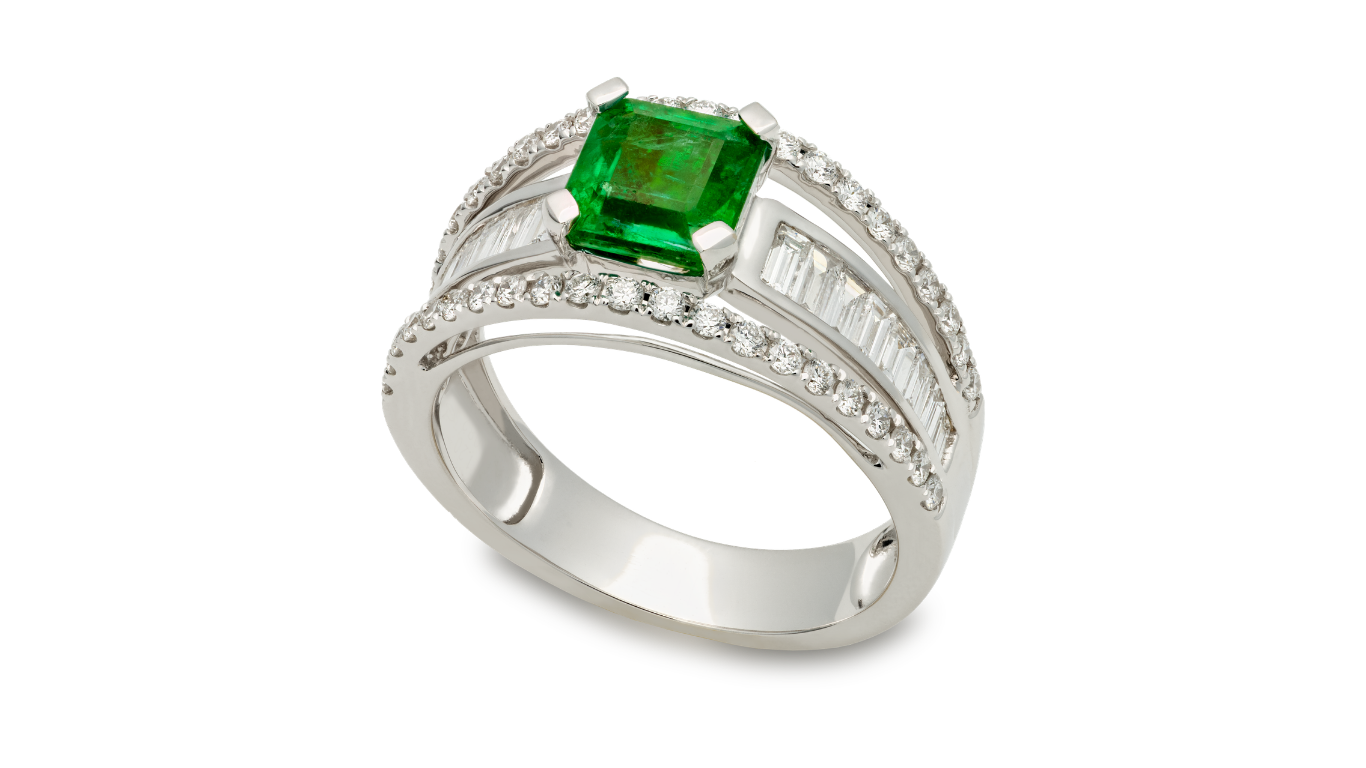
Discover why Colombian emeralds are the most coveted gemstones on earth. Learn about their unmatched color, rich history, and what sets them apart from emeralds mined anywhere else in the world.
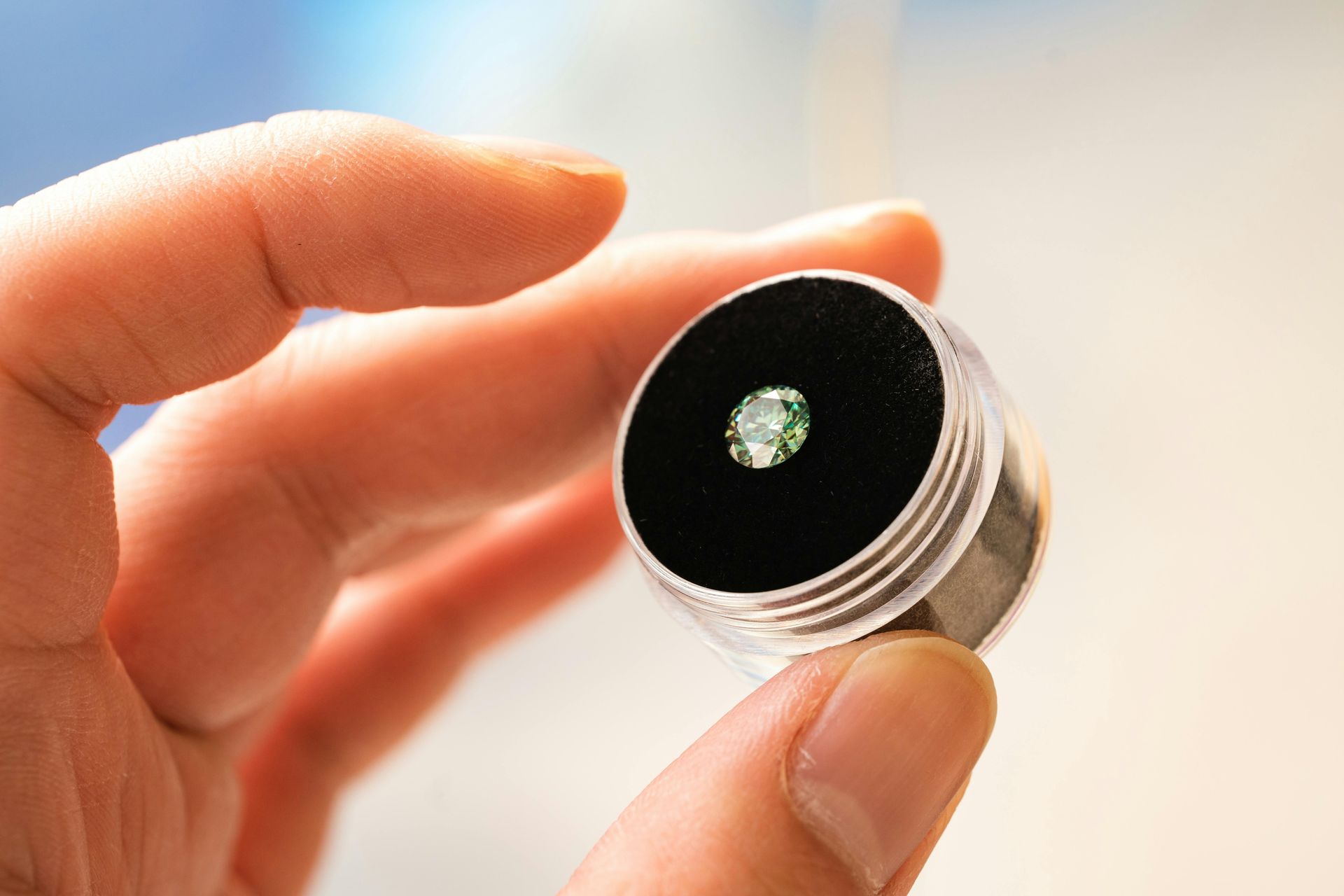
Learn how to evaluate emerald quality using the Four Cs - color, clarity, cut, and carat weight. This expert buyer's guide helps you make a confident, informed emerald purchase.
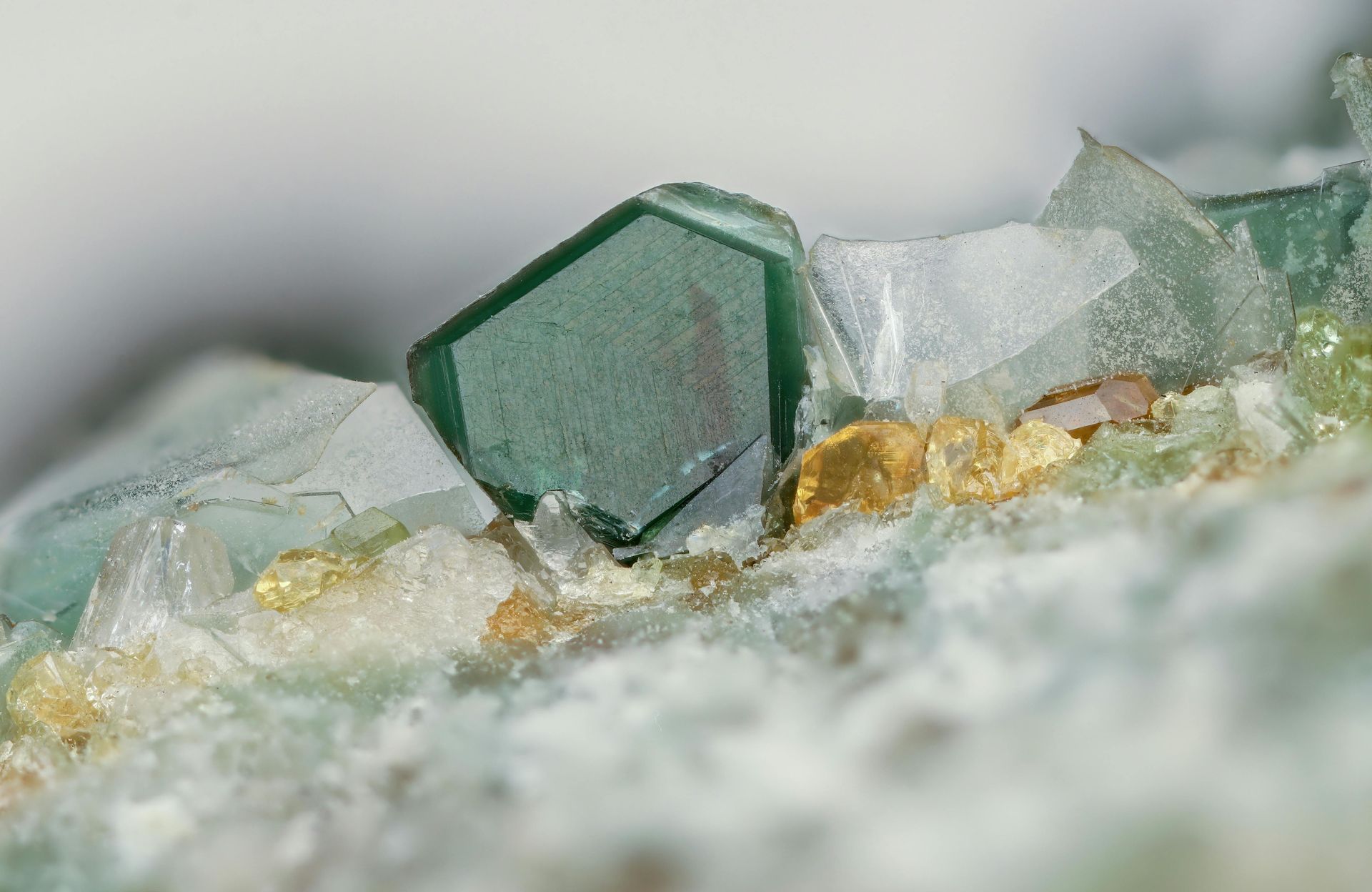
Explore the rich history of emeralds across civilizations - from Cleopatra's legendary mines to Mughal treasures and today's high jewelry houses. A journey through time and green fire.
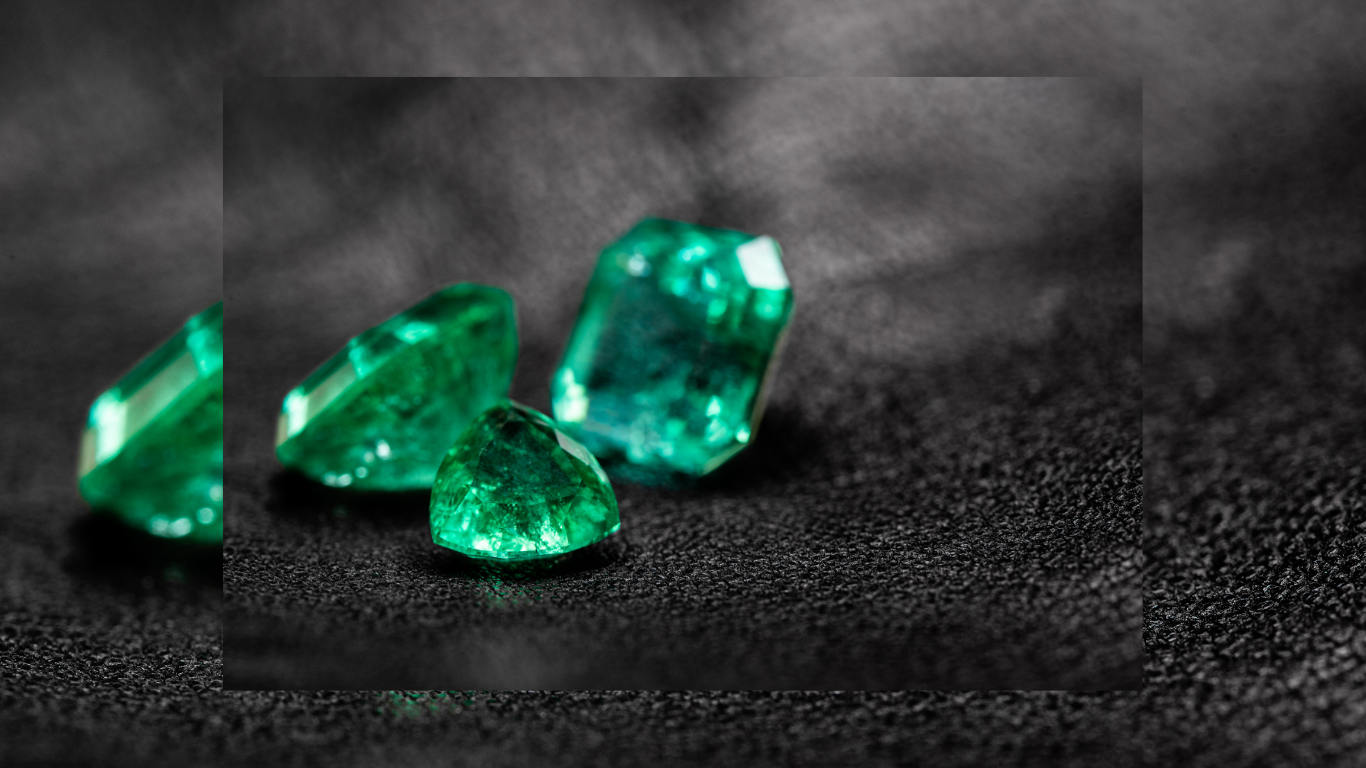
Are emeralds a good investment? Learn why fine Colombian emeralds have consistently held and built value over time, and what to look for when buying emeralds as an asset.
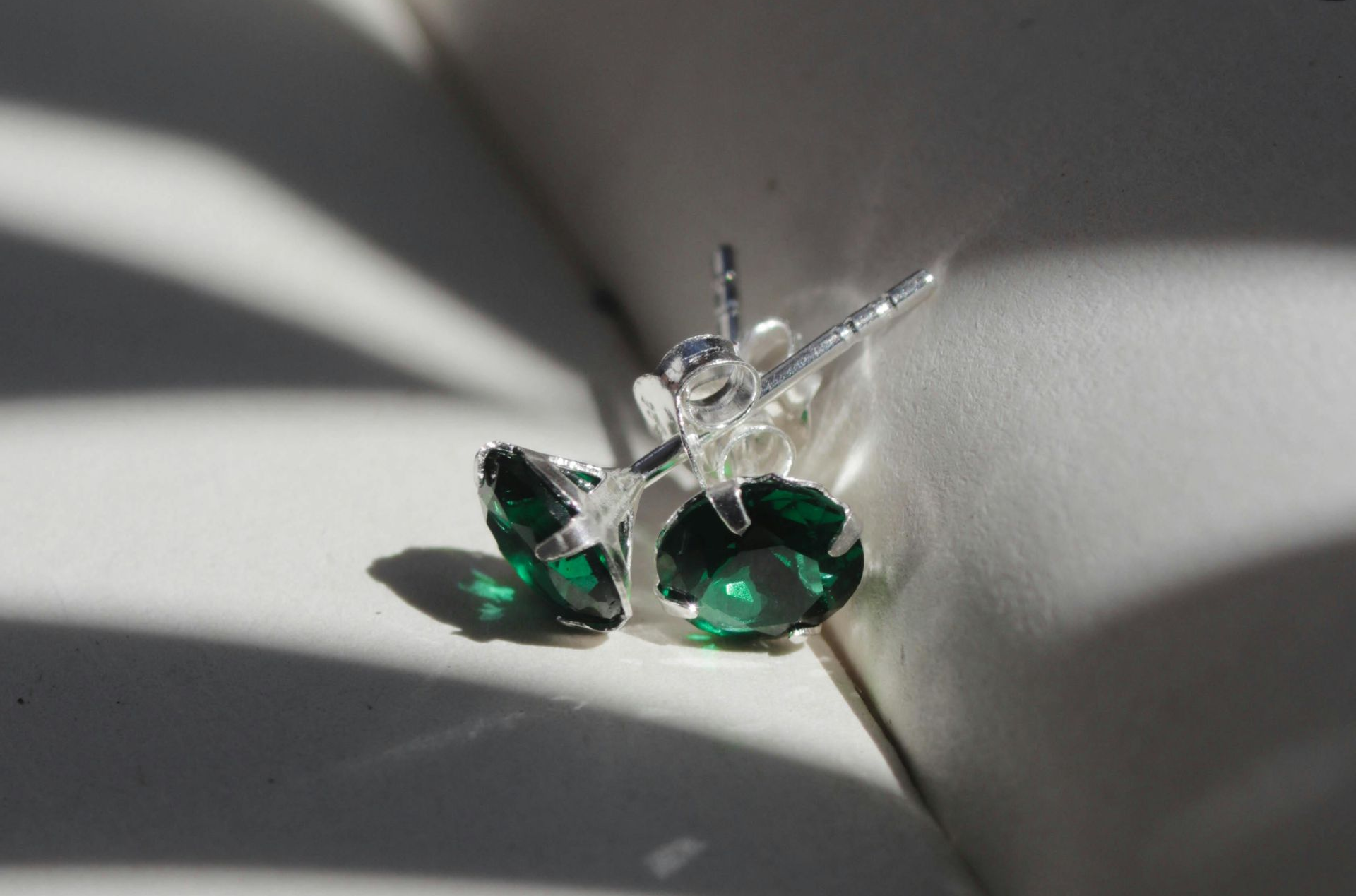
Emeralds require special care. Learn how to clean, store, and protect your emerald jewelry to preserve its beauty and value for decades — expert guidance from Eme Gems.
Emeralds have carried a rich symbolism throughout history and into modern times. The article dives into some of those stories.